
The journal
Which drywall anchor is strongest?
There isn’t a universal strongest drywall anchor. Strength depends on your wall substrate, the anchor’s rated capacity, installation, and the load direction. Toggle-style anchors often lead for heavy pull-out loads, but studs are best when you can hit them.
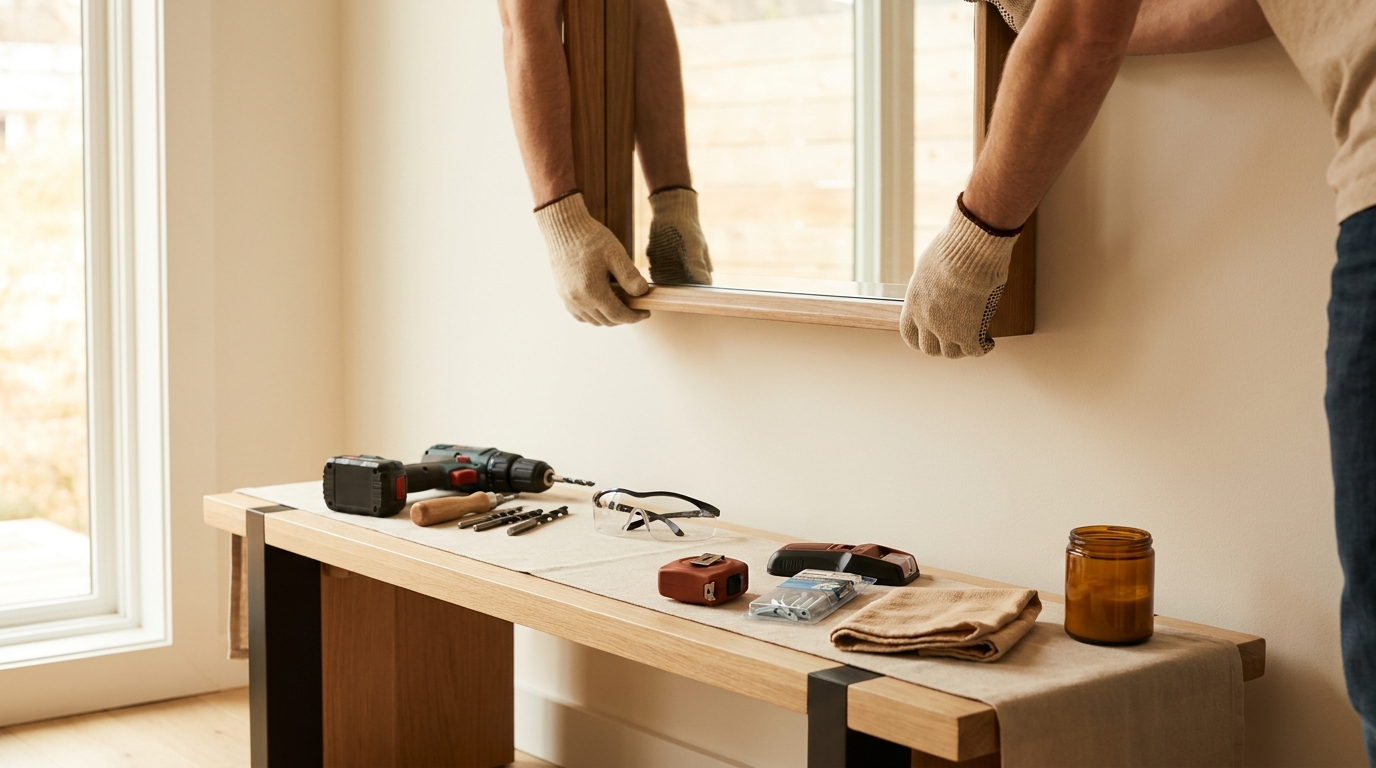
There isn’t a universal strongest drywall anchor. In plain drywall, toggle-style anchors (traditional toggles and strap toggles) are often the strongest choice for heavy pull-out loads when installed correctly, but the right pick always depends on your wall substrate, the specific product’s rating, proper installation, and whether you can fasten into a stud instead (Fine Woodworking overview) (Bob Vila drywall anchors guide).
What “strongest” really means
Strength can refer to resistance to pulling straight out of the wall (tension) or to downward force along the wall (shear). The same anchor can perform very differently in each direction, and your bracket or fixture may put more force in one direction than the other. For TVs, shelves, and similar fixtures, pros emphasize both capacity and convenience, and still prefer catching at least one stud when possible (Pro Tool Reviews).
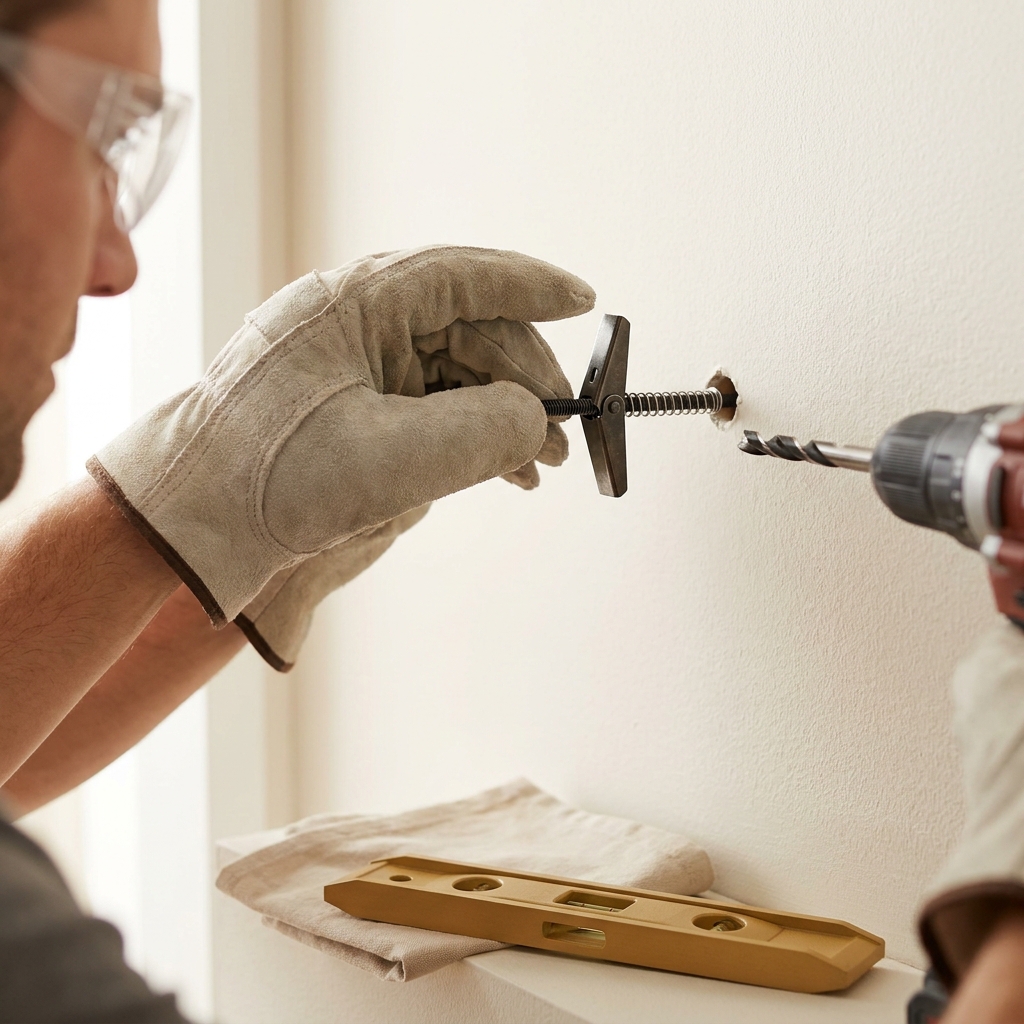
Common anchor types and where each tends to excel
Toggle and strap-toggle anchors
These clamp a metal toggle behind the drywall, spreading load over a larger area. That back-clamping is why they’re commonly recommended for the heaviest pull-out needs when studs aren’t available (Bob Vila) (Fine Woodworking).
Molly (hollow-wall) anchors
Metal sleeves that expand behind the wall to create a solid, reusable point. They’re a solid medium-to-heavy option in drywall and often favored where you want a machine-screw connection (Fine Woodworking) (Bob Vila).
Self-drilling threaded anchors (metal or plastic)
Quick to install and good for many medium-duty tasks. They bite into drywall without predrilling, but they don’t back-clamp like toggles, so pull-out strength is typically lower than toggle-style hardware (Bob Vila) (Fine Woodworking).
Plastic expansion anchors
Budget anchors for light items. They expand as the screw goes in but rely only on friction in the gypsum, so they’re not for heavier loads (Bob Vila).
How to choose: substrate, rating, load direction, and studs
Follow this sequence before you pick hardware:
- Confirm the wall type and thickness. Drywall vs plaster and lath vs masonry require different solutions. A quick knock test is not enough; identify the substrate and pick anchors made for it (Picture Hang Solutions). For plaster specifics, see Can you put shelves on a plaster wall?
- Locate studs and use them when you can. Even one or two screws into framing can transform the load path and reduce pull-out risk (Pro Tool Reviews).
- Match the anchor to the item’s actual weight and load direction. Heavy pull-out loads often suit toggles; medium loads may suit mollies or threaded metal anchors; light decor can use plastic expansion anchors. Always verify the specific product’s stated rating for your wall type and follow its instructions (Fine Woodworking) (Picture Hang Solutions).
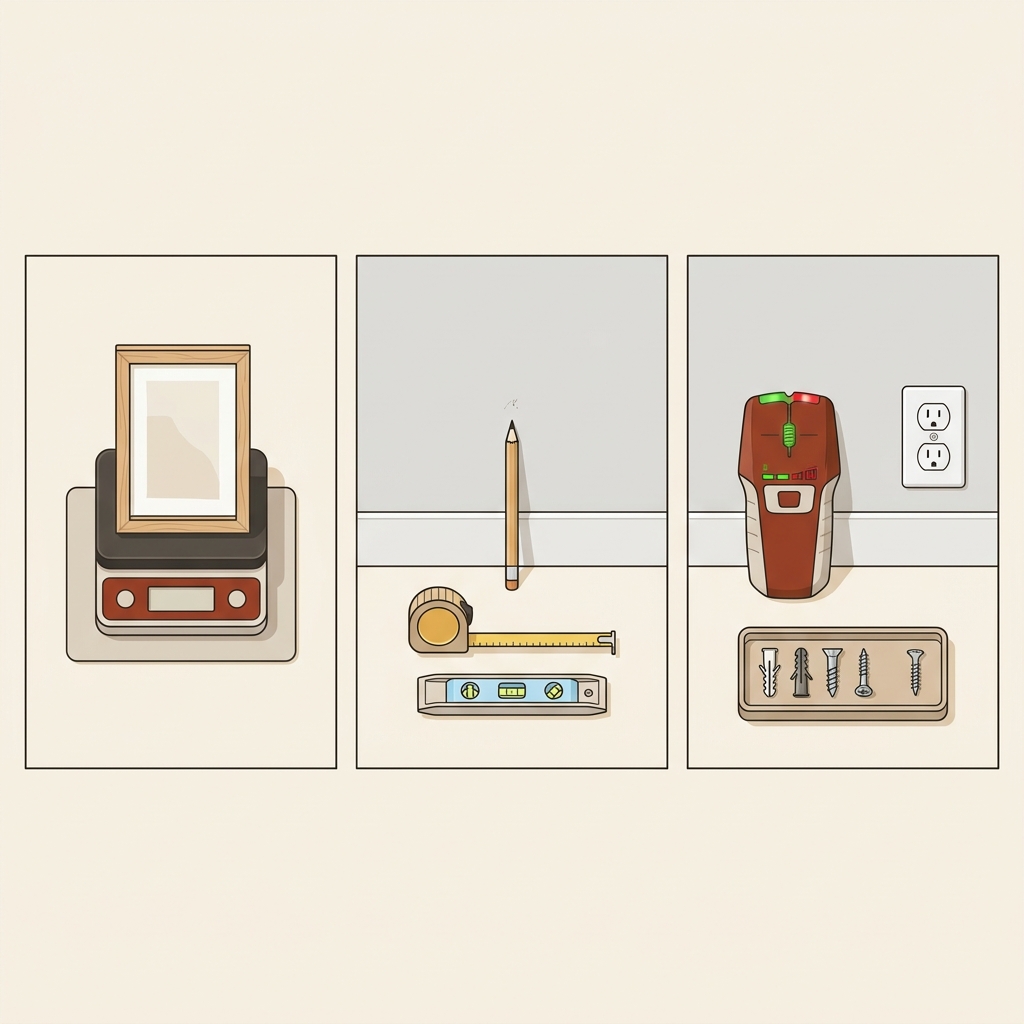
Pre-install checklist for picking and using drywall anchors
Installation basics and mistakes that reduce strength
Follow the product’s instructions exactly for hole size, depth, and setting method. Oversized or angled holes, toggles that don’t fully deploy, or overtightened screws can all reduce capacity (Picture Hang Solutions) (Fine Woodworking).
Plan bolt/anchor locations to spread load. For heavy items, many pros still aim for at least one fastener into a stud even when using high-capacity anchors (Pro Tool Reviews).
Troubleshooting and safe limits
Warning signs include a screw that spins without tightening, crushed gypsum around the hole, or a bracket that begins to sag. Stop, remove the item, and reassess. If you need to move or replace an anchor, patch the hole and start fresh in undamaged drywall. Our guide to small repairs can help: Do drywall patch kits work?
Some situations are outside what drywall anchors are meant to do. Fragile plaster and lath, moisture-damaged walls, or unknown assemblies may require different fixings or professional advice. For overhead or safety-critical loads, check the anchor’s instructions; many are not approved for that use, and fastening to structure is generally preferred (Fine Woodworking) (Pro Tool Reviews).
Quick, practical guidance
- Light decor and small frames: plastic expansion anchors are often fine in sound drywall (Bob Vila).
- Medium mirrors, small shelves, and fixtures: consider self-drilling metal anchors or molly sleeves, following each product’s rating and instructions (Fine Woodworking).
- Heavier items with pull-out force (e.g., large mirrors, some TV mounts): toggle or strap-toggle anchors are commonly used when studs aren’t available, but many installers still aim to catch at least one stud (Bob Vila) (Pro Tool Reviews).
FAQ
Are toggles always the best for heavy things? Not always. They’re often strongest for pull-out loads in plain drywall, but selection still depends on the wall type, thickness, bracket design, and the anchor’s stated rating (Fine Woodworking).
What if I oversize the hole? Oversize holes can compromise holding power. Patch and re-drill to the specified size, or move the location to sound drywall and start over (Picture Hang Solutions).
Can I use anchors in ceilings? Only if the anchor is approved for that use and the load. Many are not. When in doubt, fasten into framing and follow the manufacturer’s instructions (Pro Tool Reviews).