
The journal
Do you pre-drill holes for drywall anchors? The simple rule and steps
Clear answer on when drywall anchors need a pilot hole, which types do not, how to size the hole, and quick steps to install each anchor safely.
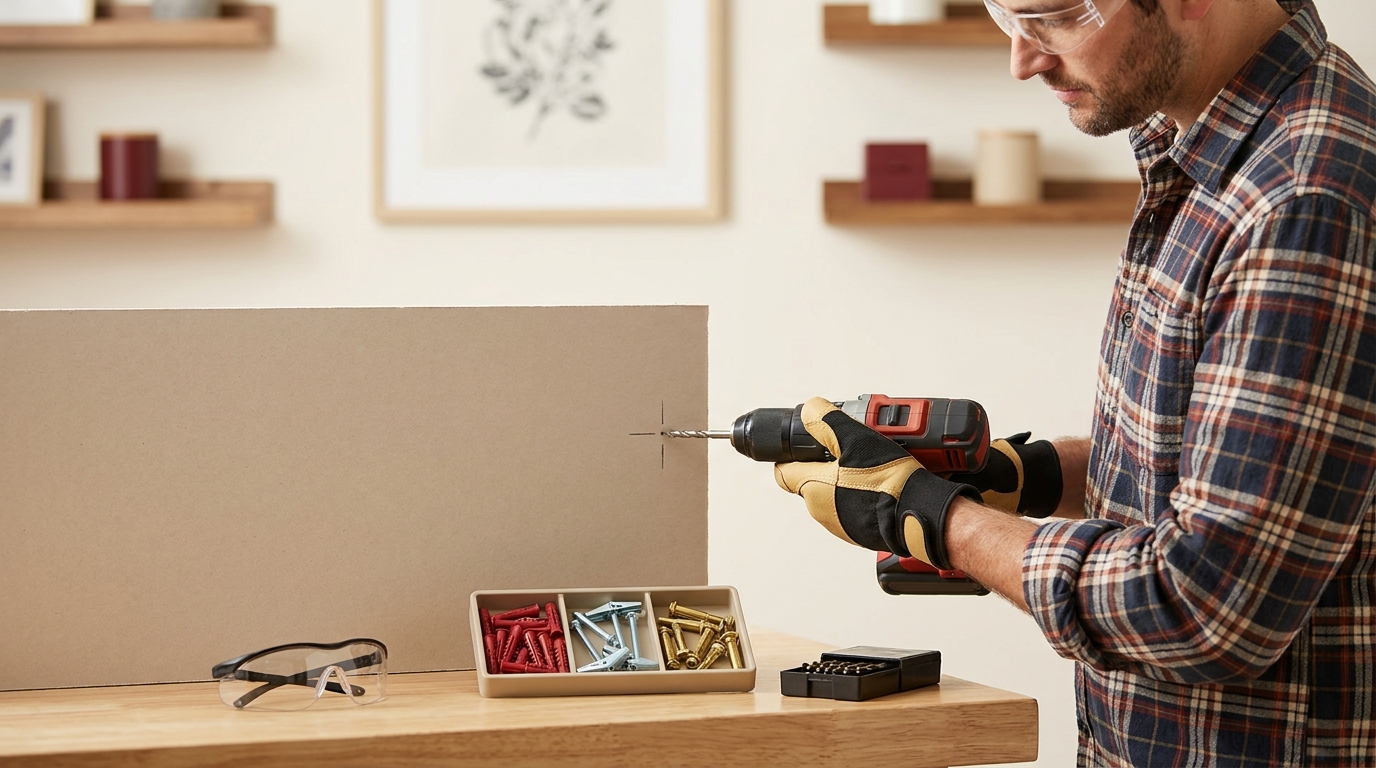
It depends on the anchor type. Self-drilling (screw-in) drywall anchors are designed to go in without a pilot hole, while plastic expansion anchors, most metal sleeve/molly anchors and toggle bolts require a pre-drilled hole sized to the manufacturer’s instructions. If you can hit a stud, you typically don’t need a drywall anchor at all (Simpleweld drill-bit guide) (Picture Hang Solutions how-to) (OneMonroe overview).
Which anchors need a pilot hole and which do not
- No pilot hole: Self-drilling or screw-in anchors. These cut their own threads as you drive them into drywall; drive slowly and keep the driver square to avoid tearing the paper (Simpleweld).
- Pilot hole required: Plastic expansion anchors. Drill to the size specified on the package, insert the anchor flush, then drive the screw to expand it (Picture Hang Solutions).
- Pilot hole required: Metal sleeve/molly anchors. These typically need a drilled hole per the product instructions before setting (Picture Hang Solutions).
- Larger drilled hole required: Toggle bolts. You must drill a hole large enough for the folded wings or toggle hardware to pass through, then tighten so it clamps the back of the drywall (Simpleweld) (Picture Hang Solutions).
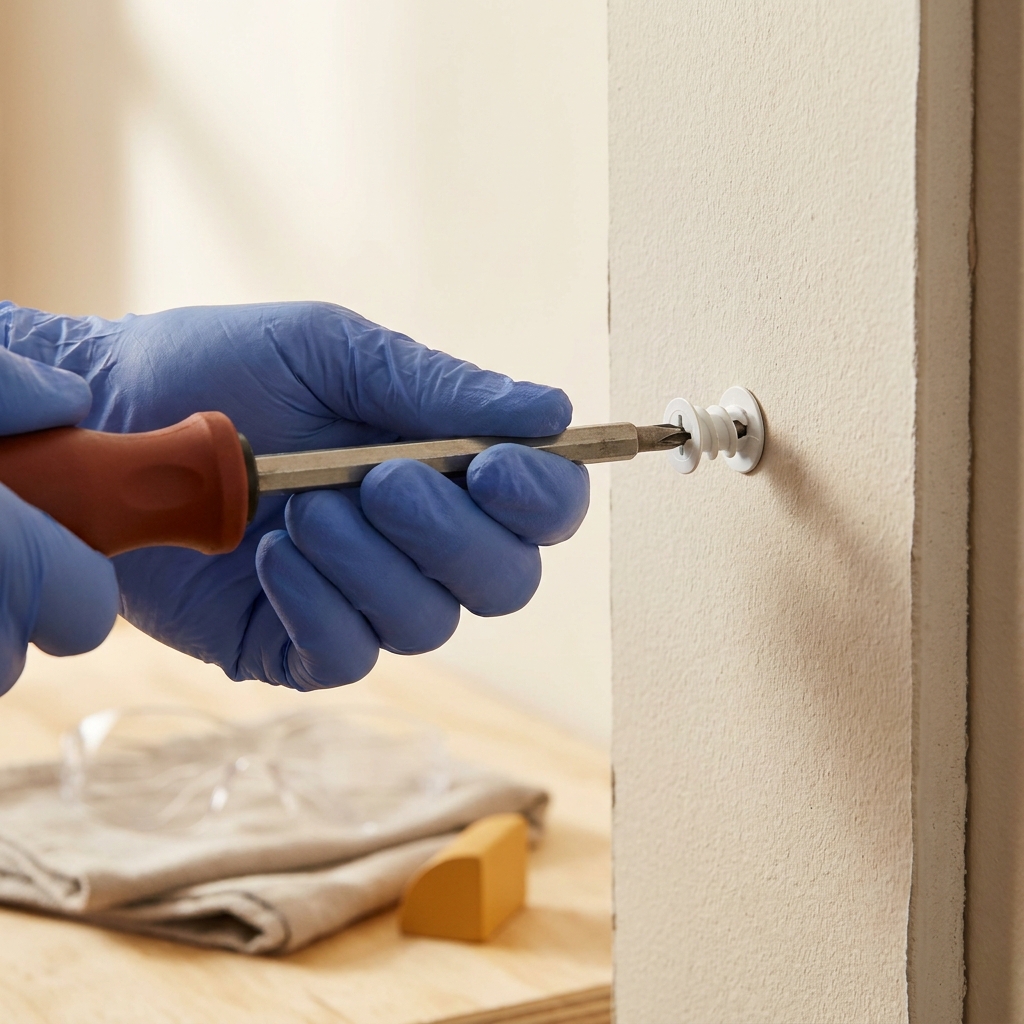
Choose the right drill bit and hole size
Use the exact drill-bit diameter and hole depth specified by the anchor manufacturer. Instructions vary by product, and using the wrong size reduces holding power or causes spin-out (Picture Hang Solutions). When drilling drywall, use moderate speed, keep the drill perpendicular, and avoid enlarging the hole; slow, steady pressure helps prevent paper tear-out (Simpleweld).
Step-by-step installs by anchor type
Self-drilling (screw-in) anchors: no pilot
- Mark the spot. Confirm no stud is behind it if you intend to use a drywall anchor.
- Drive the anchor straight in until the flange is flush. Don’t overdrive.
- Install the screw into the anchor until snug. Do not overtighten (Simpleweld).
Plastic expansion anchors: pilot hole required
- Mark and drill the pilot hole to the size on the package.
- Tap the anchor flush with the wall.
- Drive the matching screw; the anchor expands to grip the drywall (Picture Hang Solutions).
Toggle bolts: larger hole required
- Drill the hole sized so folded wings or the toggle assembly pass through cleanly.
- Insert the folded toggle, allow it to open behind the wall, then pull gently while tightening so it clamps the drywall. Stop if the surface crushes and reassess (Picture Hang Solutions).
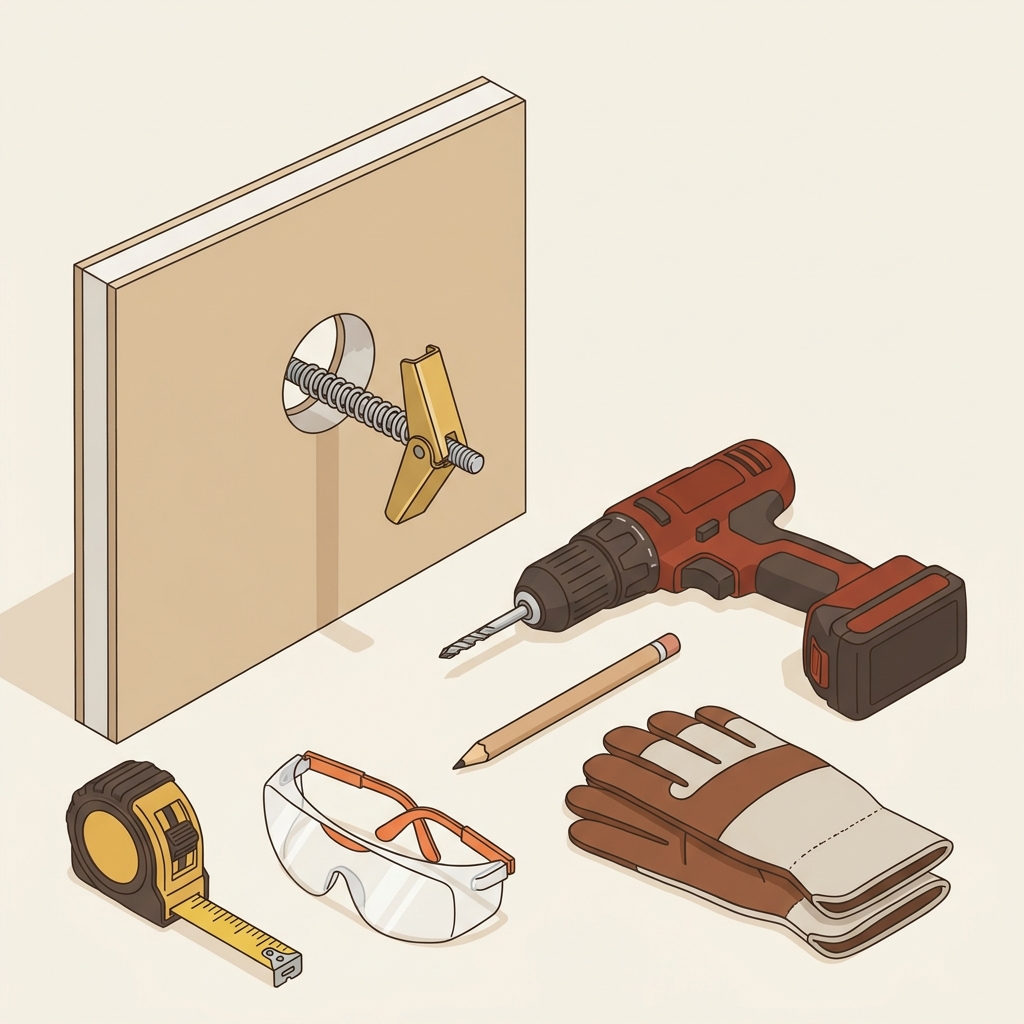
Common mistakes to avoid
- Ignoring the package bit size. Oversized holes cause loose, weak anchors; undersized holes crush or deform them. Use the stated size and depth (Picture Hang Solutions).
- Driving at an angle. Keep anchors square to the surface for full contact (Simpleweld).
- Using anchors where a stud is available. If you can hit a stud, you typically don’t need a drywall anchor; fasten directly into the stud for higher capacity (OneMonroe).
Before you drill: anchor prep checklist
If your wall isn’t drywall or you need to repair a hole
- Working on plaster? Methods and hardware differ from drywall. See Can you screw directly into plaster walls?
- Made a hole the wrong size? Patch it cleanly before re-drilling: Do drywall patch kits work?
Short FAQ
What if the pilot hole ended up a bit too large?
Use the next size up anchor rated for your load, or patch and re-drill to the correct size. A loose-fit anchor will not hold reliably (Picture Hang Solutions).
When should I skip anchors and go into a stud?
For heavier or safety-critical items, fasten into a stud when possible. Studs provide direct support and usually eliminate the need for a drywall anchor (OneMonroe).