
The journal
Remove painter’s tape wet or dry? Practical timing guide
There isn’t one right moment for every job. Many manufacturers advise peeling while paint is still wet to avoid bonding and lift; others prefer dry-to-the-touch to prevent smudges. Here’s how to decide and remove tape cleanly.
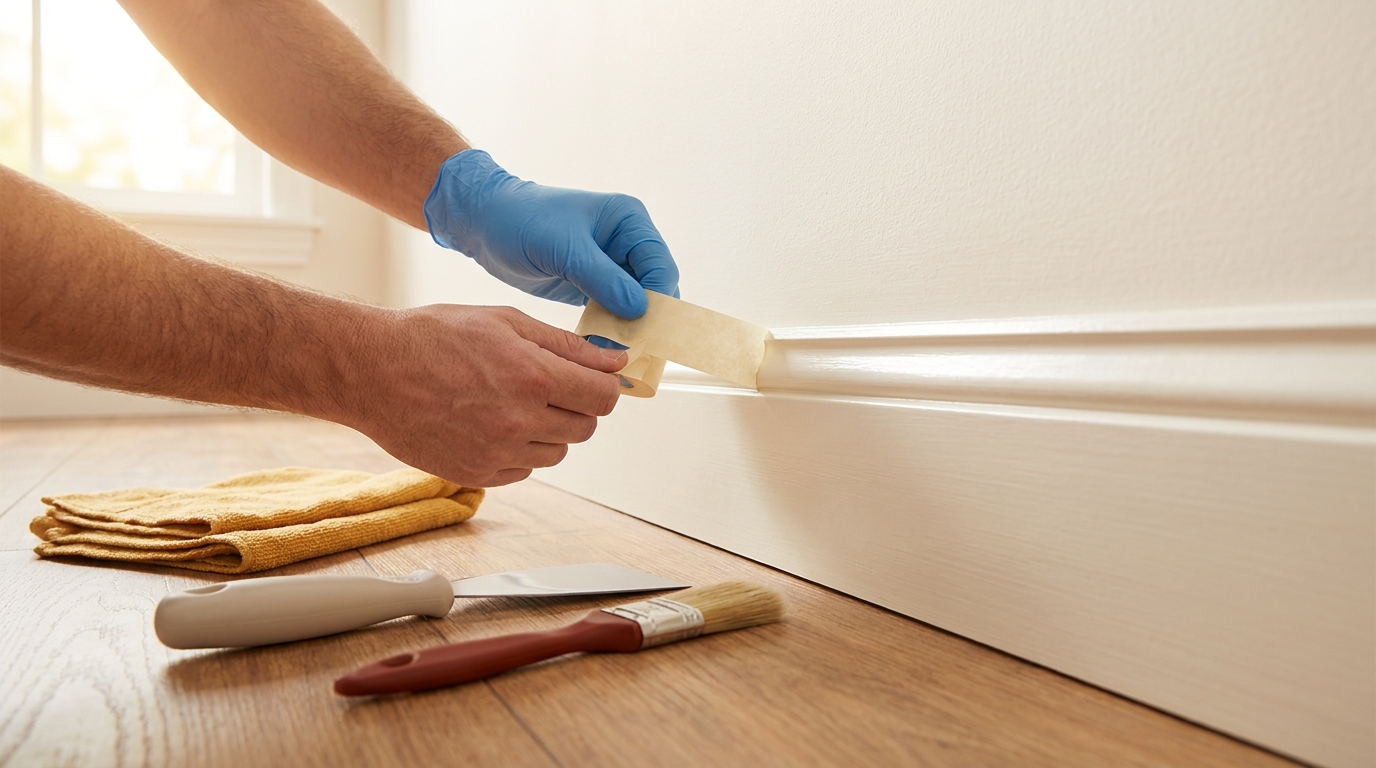
Short answer: there’s no universal rule. Many paint and tape makers advise removing painter’s tape while the paint is still wet to prevent the paint film from bonding to the tape and lifting when peeled. If the paint has already dried, score along the edge before removal. Some pros choose to remove when the paint is dry to the touch to reduce smudging. Follow the labels on your paint and tape, and use a small test section before you commit.
When removing tape while paint is wet makes sense
Several manufacturers recommend peeling while the paint is still wet to minimize bonding between the drying film and the tape, which can otherwise cause chips or ragged edges when you pull it up. This approach is paired with a slow peel at a low angle. See guidance from British Paints and Shurtape, both of which also advise scoring if paint has dried at the tape line.
When removing after it’s dry to the touch can help
Some practitioners prefer to wait until paint is dry to the touch to avoid smearing or transferring wet paint when tape is disturbed. This can be helpful where smudge risk is high or visibility for touch-ups matters. Industry discussion notes pros and cons for both timings and highlights that paint type and surface texture affect the choice (Bron Tapes).
Decide for your project: what to check first
- Read both labels. Follow the removal timing on your paint can and your tape packaging. If they differ, test in a small, low-visibility spot first and contact the manufacturer for your exact products.
- Consider paint type and conditions. Dry times and adhesion vary. For example, latex typically dries faster than oil-based paint, and texture can influence lift risk (Bron Tapes).
- Plan your sequence. If you’re applying multiple coats, plan your removal to match the product’s stated recoat and dry-to-touch windows.
How to remove painter’s tape cleanly
Whether you peel wet or dry-to-the-touch, use careful technique:
- Peel slowly, keeping the tape low and close to the surface at roughly a 45-degree angle for controlled separation and cleaner edges (British Paints).
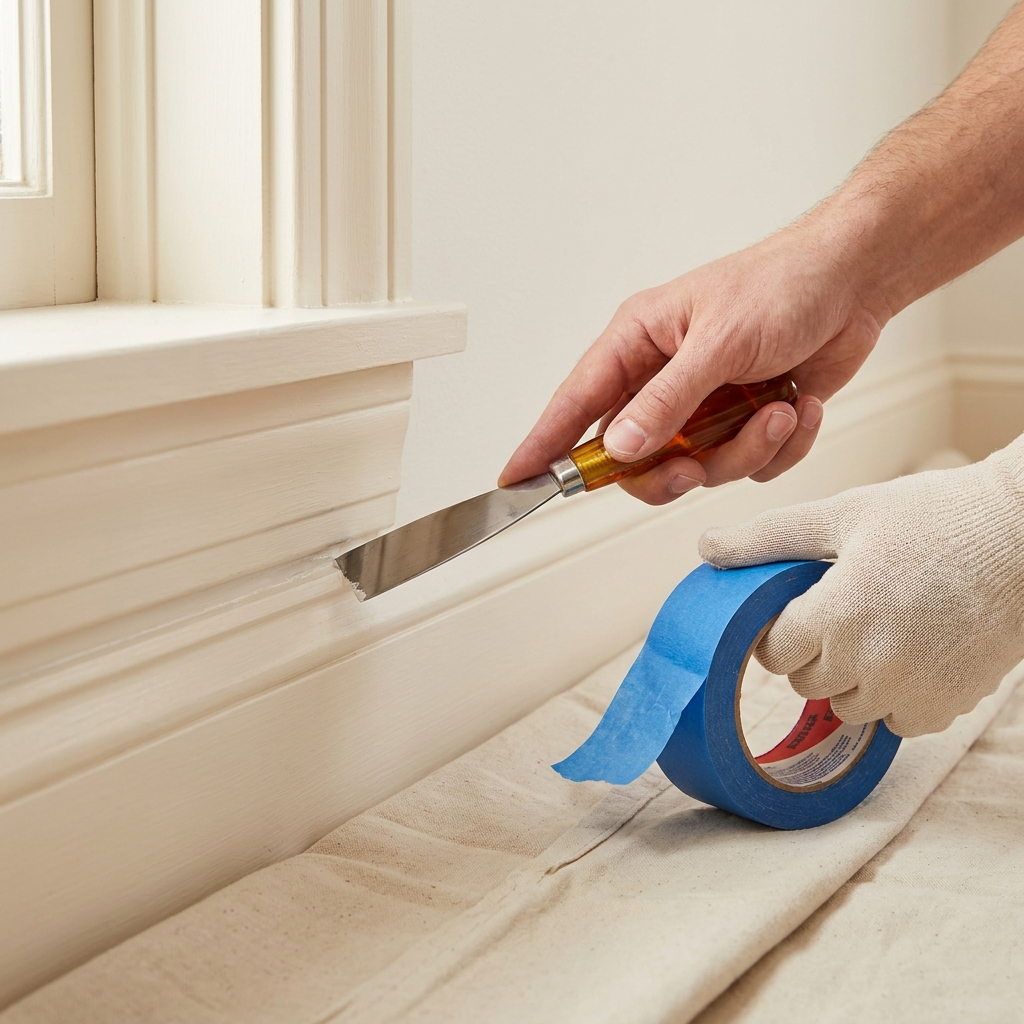
- If the paint has dried on the tape edge, score first. Lightly run a sharp blade along the paint-tape boundary to break the bond, then peel back slowly to reduce tearing or lift (Shurtape).
- Work in manageable lengths and keep a small brush and touch-up paint ready for minor fixes.
Common mistakes that cause lifting
- Waiting too long. Allowing paint to fully set against the tape increases the chance of lifting when you pull; many manufacturers advise peeling while still wet (British Paints).
- Pulling fast or at a steep angle. A sudden, upright pull can tear the film. Go slow at a low angle (British Paints).
- Skipping the score when paint is dry. If you feel resistance, stop and score before continuing (Shurtape).
Quick painter’s tape removal checklist
If labels conflict or the edge has already dried
If the paint and tape instructions don’t align, do a small trial and follow the result that preserves the cleanest edge for your products and room conditions. If the paint has already dried onto the tape, don’t force it: score gently along the boundary, then peel slowly to avoid tearing the film (Shurtape).
Helpful related how-tos
- Is it necessary to use primer before painting walls?
- Sleeping in a freshly painted bedroom: drying versus curing
FAQ
What if paint smears when I start peeling?
Stop, let the surface reach dry-to-the-touch per the paint label, then resume with a slow, low-angle pull. If you later feel resistance, score before peeling to avoid tearing (Shurtape).
Can textured surfaces change the best timing?
Yes. Rough or textured surfaces can increase lift risk; a dry-to-the-touch removal may reduce smearing, but test first and adjust based on your results (Bron Tapes).
The cleanest results come from matching your timing to the specific paint and tape you’re using, plus careful technique. When in doubt, test a strip, adjust, and contact the manufacturer for product-specific advice.

Product options for this topic
As an Amazon Associate I earn from qualifying purchases. These are researched options, not hands-on test results. Check the exact size or model, current price and availability on Amazon.
| Product option | Fit and limits to check | Retailer |
|---|---|---|
| Purdy XL Dale, 2½-inch brush | An angled brush to consider for trim and edges. Match brush width and bristle suitability to the coating and working space. | View on Amazon |
| ScotchBlue Original tape, 1.88-inch single roll | Mask edges when the surface and coating are suitable. Test a small area and follow the stated removal window, especially on delicate finishes. | View on Amazon |