
The journal
Stop furniture from scratching floors: protectors that work and safe moves
Practical ways to stop furniture from scratching floors: choose the right pads or glides, install them correctly, and move heavy pieces safely. Includes a quick, actionable checklist.
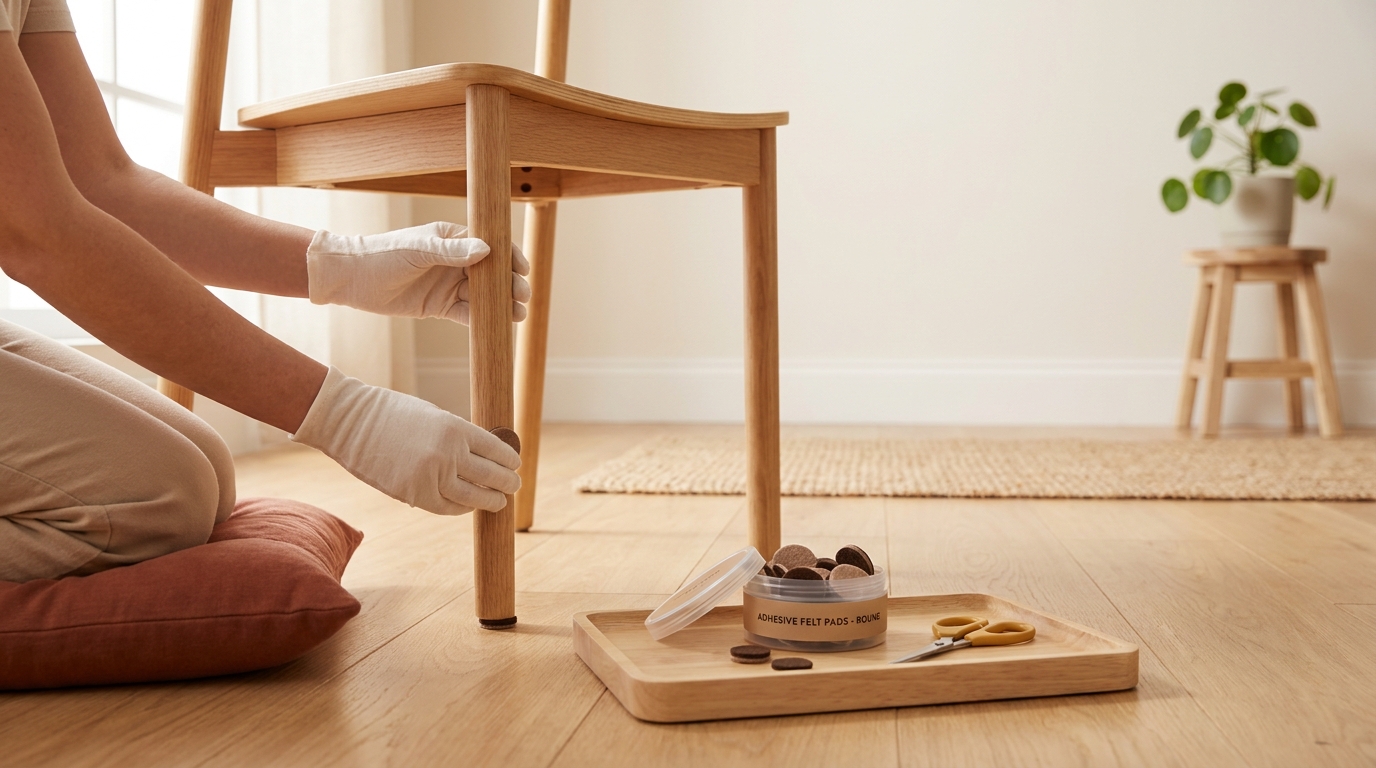
Fit a protective pad or glide on every furniture leg that touches hard flooring, and don’t drag pieces when you move them. Choose a material that suits your floor, test one leg in a hidden spot, then install on all legs and replace worn pads promptly (https://www.bona.com/en/homeowner/how-to/protect-floors-from-furniture).
Why scratches happen and the simplest fixes
Unprotected legs and chair feet can grind grit into the finish, especially when furniture shifts or is slid across the floor (https://www.bona.com/en/homeowner/how-to/protect-floors-from-furniture). Two habits prevent most damage: add protectors to every leg and lift instead of dragging. If you must move a heavy item, use sliders or a moving blanket under the feet to avoid direct abrasion (https://www.rugpadusa.com/articles/need-floor-protectors-read-this-before-damaging-your-floors?srsltid=AYCX9vJ9mt4KxPJlPIyNCYyJ20YUidf944L0zkxU_LL8JLbJj9hytbk8).
Choose the right protector for your floor
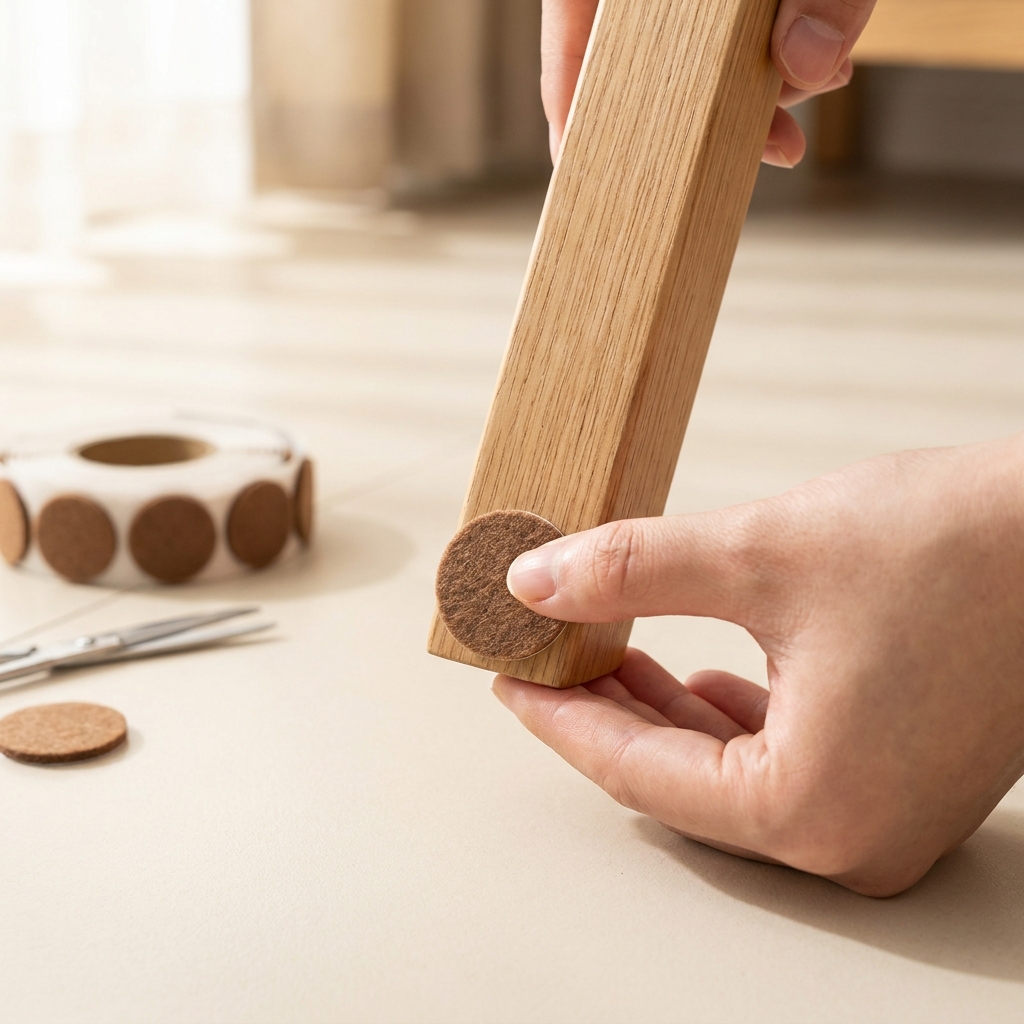
Common pad and glide materials include felt, rubber, cork, plastic and metal. On hard floors like wood or tile, felt or rubber are typical choices; if you use rubber, watch for possible scuff marks. For heavy pieces, ensure the felt is thick enough to distribute load (https://www.bona.com/en/homeowner/how-to/protect-floors-from-furniture).
- Chairs and stools that move often: Felt pads allow smooth, quiet movement on wood and tile. For seating that’s used constantly, nail-on or screw-on glides hold more securely than stick-on pads, which can loosen over time (https://www.loudounvalleyfloors.com/how-can-i-keep-my-furniture-from-damaging-my-hardwood-floors/).
- Heavy furniture: Thick felt or rubber pads can work; limit small movements so grit can’t build under the feet (https://www.bona.com/en/homeowner/how-to/protect-floors-from-furniture).
- Vinyl and other soft floors: Some sources warn that rubber can stain vinyl over time; if you have vinyl, avoid rubber pads unless your floor manufacturer confirms compatibility, and test one leg first (https://www.rugpadusa.com/articles/need-floor-protectors-read-this-before-damaging-your-floors?srsltid=AYCX9vJ9mt4KxPJlPIyNCYyJ20YUidf944L0zkxU_LL8JLbJj9hytbk8).
DIY options like cutting thick felt or carpet scraps to size and gluing them on can work in a pinch. Whatever you choose, keep floors clean so grit doesn’t get trapped under pads (https://www.bona.com/en/homeowner/how-to/protect-floors-from-furniture).
Install pads and glides so they stay put
Good installation prevents a protector from shifting and exposing a hard edge.
- Clean and dry the contact area on the leg or foot so adhesive bonds well (https://www.loudounvalleyfloors.com/how-can-i-keep-my-furniture-from-damaging-my-hardwood-floors/).
- Match pad size and shape to the foot so it doesn’t overhang and catch grit; choose thickness for the furniture’s weight (https://www.loudounvalleyfloors.com/how-can-i-keep-my-furniture-from-damaging-my-hardwood-floors/).
- Press adhesive pads firmly and let them set per the product directions. For high-use chairs and barstools, consider nail-on or screw-on glides to reduce the chance of a pad peeling off (https://www.loudounvalleyfloors.com/how-can-i-keep-my-furniture-from-damaging-my-hardwood-floors/).
Inspect every few weeks at first. Replace pads that flatten, shift, crack, or shed adhesive. If a test pad leaves residue or discoloration, stop using that material.
Move and position furniture without damaging floors
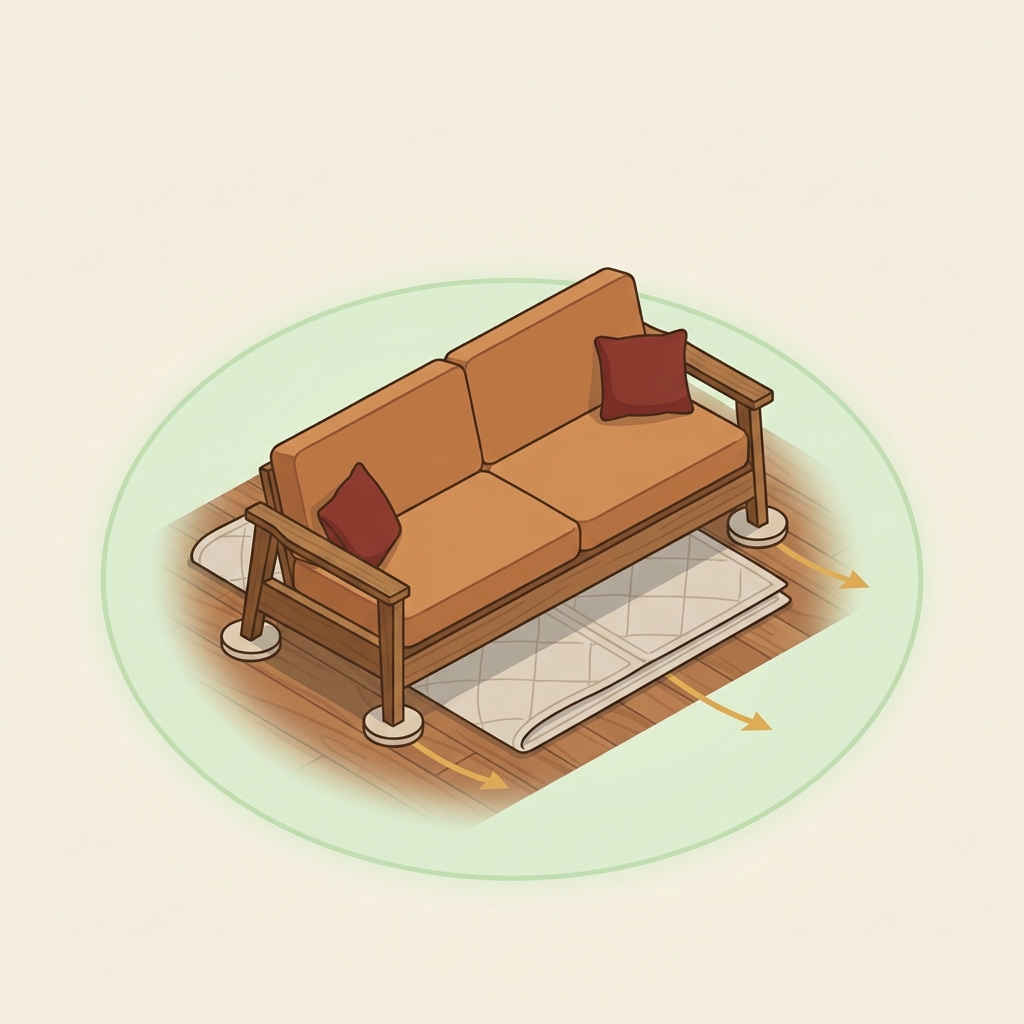
Don’t slide heavy items across hard floors. Lift with a helper, or place sliders or a folded moving blanket under each foot before repositioning (https://www.rugpadusa.com/articles/need-floor-protectors-read-this-before-damaging-your-floors?srsltid=AYCX9vJ9mt4KxPJlPIyNCYyJ20YUidf944L0zkxU_LL8JLbJj9hytbk8). Rugs under heavy furniture also add a sacrificial layer that reduces wear on the finish (https://www.loudounvalleyfloors.com/how-can-i-keep-my-furniture-from-damaging-my-hardwood-floors/).
Quick steps to protect floors before moving furniture
Light scratch triage and when to call a pro
Light surface scuffs can sometimes be improved with the care methods recommended for your specific floor finish. If damage is broader but still in the finish layer, pros may “buff and coat” to refresh protection; deeper scratches or gouges typically require refinishing (https://www.loudounvalleyfloors.com/how-can-i-keep-my-furniture-from-damaging-my-hardwood-floors/). When in doubt, document the area and get advice from a flooring professional.
Related help on Home by Doing
- How do you fix an interior door that rubs? If a door is scraping the floor, fix the door first.
- Why is my internal door sticking in the summer? Seasonal swelling fixes that prevent scuffs.
FAQ
What’s best under barstools and dining chairs?
Use felt pads sized to the feet and consider nail-on or screw-on glides for seating that moves a lot, since stick-on pads may loosen with frequent use (https://www.loudounvalleyfloors.com/how-can-i-keep-my-furniture-from-damaging-my-hardwood-floors/).
Can rubber pads stain vinyl?
Yes, some rubbers can react with vinyl and cause staining. If you have vinyl, avoid rubber unless your floor maker confirms compatibility, and always test a single leg in a hidden spot (https://www.rugpadusa.com/articles/need-floor-protectors-read-this-before-damaging-your-floors?srsltid=AYCX9vJ9mt4KxPJlPIyNCYyJ20YUidf944L0zkxU_LL8JLbJj9hytbk8).