
The journal
How to stop condensation on windows overnight, simple steps that work
Learn how to stop condensation on windows with ventilation, humidity targets, and simple morning routines to keep panes drier overnight.
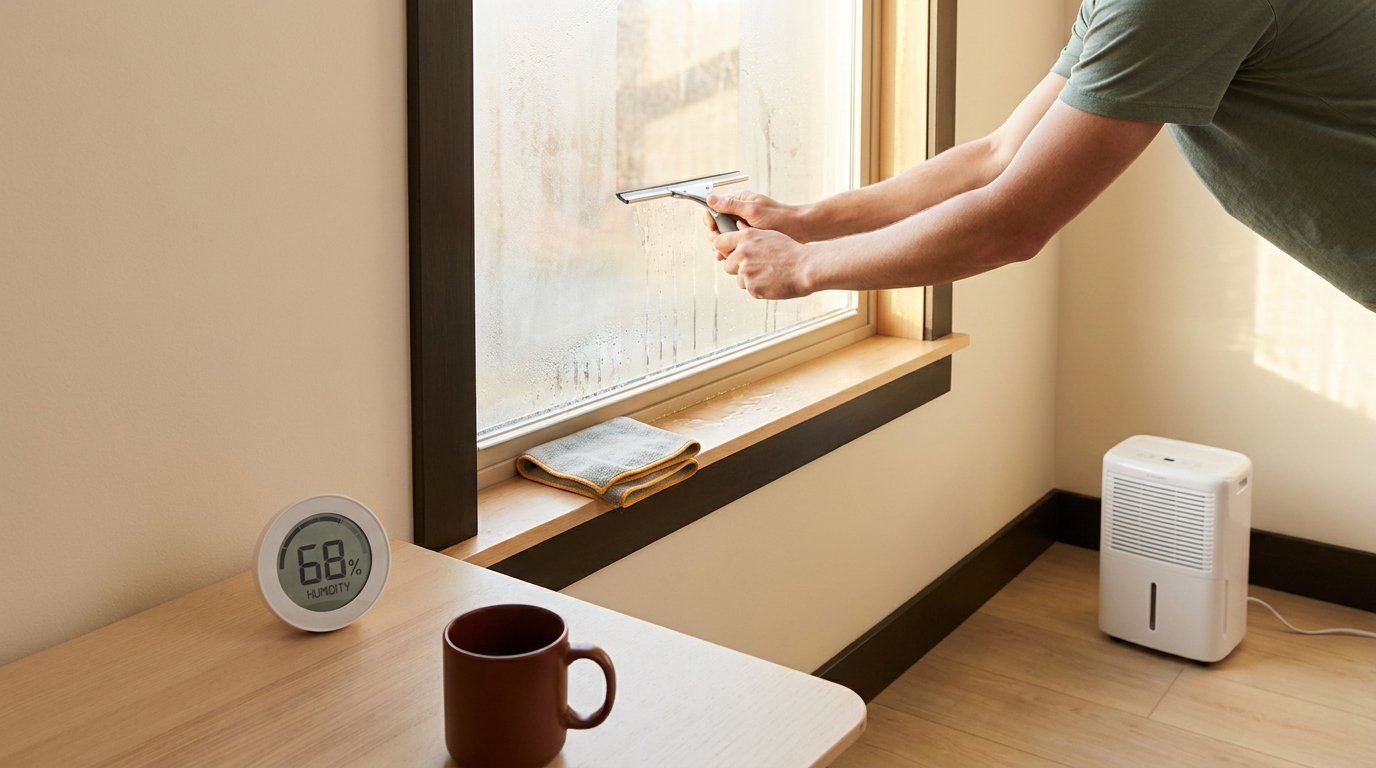
Why windows get condensation overnight
How condensation forms on cold glass: how to stop condensation on windows
Condensation happens when warm, moisture laden indoor air meets colder window glass and the surface temperature falls below the air's dew point, so water vapor turns back into liquid on the pane. This basic physics is the key to understanding what to change in your home to reduce morning wetness and mold risk; cutting indoor humidity or keeping the glass warmer both lower the chance of droplets forming on the surface, and both approaches are used in guidance for homeowners and landlords Canada Mortgage and Housing Corporation.
Relative humidity and dew point are the two measurements to watch. Relative humidity describes how close the air is to being saturated with moisture at a given temperature, while the dew point is the temperature at which that air will deposit water if it cools. When indoor air is humid and night temperatures drop, glass that sits colder than the dew point will collect condensation, so a hygrometer and a basic understanding of these numbers help predict when panes will fog.
How can I stop windows fogging and dripping overnight without replacing windows?
Reduce indoor humidity before nightfall using ventilation, extract fans, or a dehumidifier, avoid indoor drying of clothes overnight, and use a hygrometer to confirm RH stays under 60 percent; if condensation continues, consider insulating or upgrading glazing.
At night a house can pick up moisture from several ordinary sources that raise indoor humidity, each adding to the water load that can condense on cold windows: people breathe while sleeping, showers and baths add moisture, cooking releases steam, and drying clothes indoors or unvented appliances can pump lots of water into the rooms. Recognizing these sources allows you to target simple changes before bed to lower the overnight moisture load, consistent with public guidance on damp and indoor moisture control UK DLUHC.
In practice, low cost, immediate levers matter: closing doors to confine moist air, running an extractor fan when showering, or avoiding indoor clothes drying overnight can keep bedroom windows much drier by the morning. These are low cost, immediate levers that match the physics: reduce the moisture in the air and there is less available to condense on cold glass.
Immediate steps to stop condensation tonight
Night ventilation options: trickle vents, fans, small window openings
Simple ventilation is the fastest way to lower indoor moisture before it settles on glass. Where your home has trickle vents, leave them open overnight to allow a small, continuous airflow; if you do not have trickle vents, a short, slight opening of a secure window for 10 to 30 minutes when temperatures are not dangerously low can purge humid air from bedrooms, or you can run bathroom and kitchen extract fans for a timed period after activities that produce steam. Government energy and ventilation guidance highlights these approaches as practical ways to manage indoor moisture build up.
If opening a window overnight is not safe or practical, using a mechanical extractor or running a dehumidifier in the problem room provides the same moisture reduction without compromising security. The goal is to remove the humid air or the moisture it contains before it cools and forms droplets on the glass.
track overnight moisture change using a hygrometer and an extraction device
Quick pre-bed checklist: what to do in the last 15 minutes
Before you go to bed, follow a short checklist to reduce the moisture that can condense on windows. Run the bathroom fan for a few minutes after showering, close bedroom doors to keep moist air out of sleeping spaces, and wipe any visible dampness from bathroom and kitchen surfaces to remove free water that would otherwise evaporate and raise room humidity. These quick actions mirror recommended household damp control steps and cut the overnight moisture load EPA guide on mold and moisture.
Also avoid drying wet laundry indoors overnight, and if you must dry clothes inside, place the drying rack in a room with active extraction or run a dehumidifier in that room. If you have a tumble dryer, ensure it vents outdoors rather than into the home. These changes take minutes but reduce how much vapor is available to condense on cold panes in the morning.
Manage indoor humidity: targets, tools and how to measure
What relative humidity you should aim for
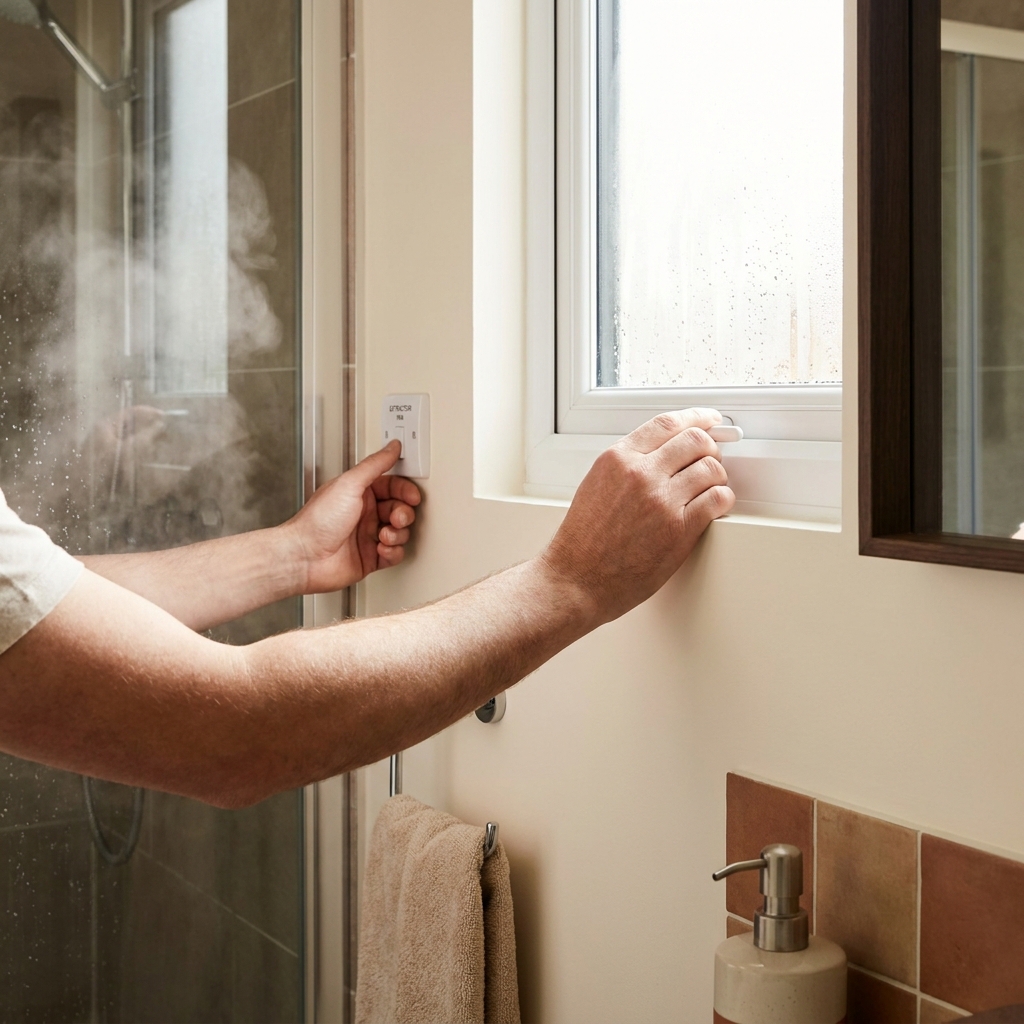
Keep indoor relative humidity under 60 percent and aim for a comfortable range between 30 and 50 percent to reduce condensation risk and limit mold growth. Maintaining values in that range balances comfort with the need to keep glass surface temperatures above the dew point during cold nights, and official guidance highlights these targets to control damp and health risk EPA guide on mold and moisture.
In winter, when indoor air tends to be drier from heating, the risk window for condensation can shift because outdoor temperatures make panes colder; keep monitoring room RH with a hygrometer and adjust ventilation or dehumidification if readings approach the 60 percent threshold.
Choosing and using a hygrometer, dehumidifier, and HVAC strategies
Start with an inexpensive digital hygrometer placed 1 to 2 meters from the window and away from direct drafts or radiators for an accurate room reading; avoid placing it right on the sill where readings reflect the glass surface rather than the room air. Check the meter in the evening and in the morning for a simple before and after comparison that shows whether your ventilation or dehumidifier made a practical difference.
When a dehumidifier is appropriate overnight, choose a unit sized for the room and place it where airflow is unobstructed, not tucked in a corner; run it with a target relative humidity setting in the 40 to 50 percent range and empty or drain the water collection as instructed. If you have central HVAC with mechanical ventilation or HRV, use timed ventilation or boost extract fans during high moisture activities as an alternative to portable dehumidifiers, following ventilation guidance for homes.
Window and glazing solutions that reduce condensation long term
How low-E and multi-pane glazing raise interior glass temperature
If ventilation and humidity control do not stop persistent condensation, improving the thermal performance of the glazing raises the interior glass temperature and reduces how often the surface falls below the dew point. Low emissivity coatings, double or triple glazing, and well fitted storm windows all reduce heat loss through the window and are effective long term options to reduce condensation tendency, as explained in window performance resources Lawrence Berkeley National Laboratory.
Multi pane windows and low E coatings act like an insulating layer that keeps interior glass closer to room temperature so there is less of a temperature gap for moisture to cross. For many homeowners these upgrades are a durable fix after practical ventilation steps have been tried and found insufficient.
Retrofits and upgrades: storm windows, interior films and trade-offs
Retrofit options vary in cost and effectiveness. Interior or exterior storm windows and professionally installed double glazing are among the more reliable ways to warm the inner surface of a pane and reduce condensation, while films and secondary glazing offer lower cost, interim improvements. Each retrofit choice has trade offs: comfort and condensation reduction versus upfront cost and, in some cases, visual or operational changes to the window, which homeowners should weigh before deciding.
Signs that a glazing upgrade is justified include chronic condensation despite consistent ventilation and humidity control, visible mold or repeated wet sills that return within days, and windows that feel cold to the touch even when the room is warm. In those cases a targeted upgrade often pays back by improving comfort and reducing maintenance.
Common mistakes that make condensation worse
How window treatments and room layout can trap moisture
One common error is closing heavy curtains or blinds tight against cold panes overnight. Tightly closed window treatments can trap a layer of humid air next to the glass and amplify condensation rather than reduce it; allowing a small gap for air circulation or choosing ventilated window coverings helps move humid air away from the surface and reduces wetness on the glass, a point noted in condensation guidance for windows Efficient Windows Collaborative.
Equally important is where moisture producing activities happen. Drying laundry in a bedroom or placing humidifiers near windows can create localized pockets of high humidity that lead to repeated morning condensation on nearby panes. Move wet activities to ventilated rooms and keep bedroom doors closed when possible to protect sleeping areas.
Misuse of humidifiers and indoor drying that backfires
Humidifiers are useful when indoor air is too dry, but running them overnight in cold weather can push room humidity into a range where condensation on windows becomes likely; follow humidity targets and only run them where needed. Similarly, indoor clothes drying without extraction adds a large moisture load that commonly causes window condensation, so vent the dryer outside or dry in a ventilated room.
Relying on short bursts of heating without bringing in fresh air can also backfire. Heaters raise air temperature and capacity to hold moisture, but without ventilation the moisture remains in the room and will condense when it meets cold surfaces. Prioritize ventilation or dehumidification over brief heating bursts to address condensation at its source.
Practical morning and seasonal routines to keep windows drier
A short morning checklist and weekly habits
A quick morning routine keeps small problems from becoming mold issues. Use a squeegee to remove water from the glass and wipe down sills to remove pooled water; drying wet materials within 24 to 48 hours limits mold growth and stops a recurring damp cycle, advice that aligns with public health guidance EPA guide on mold and moisture.
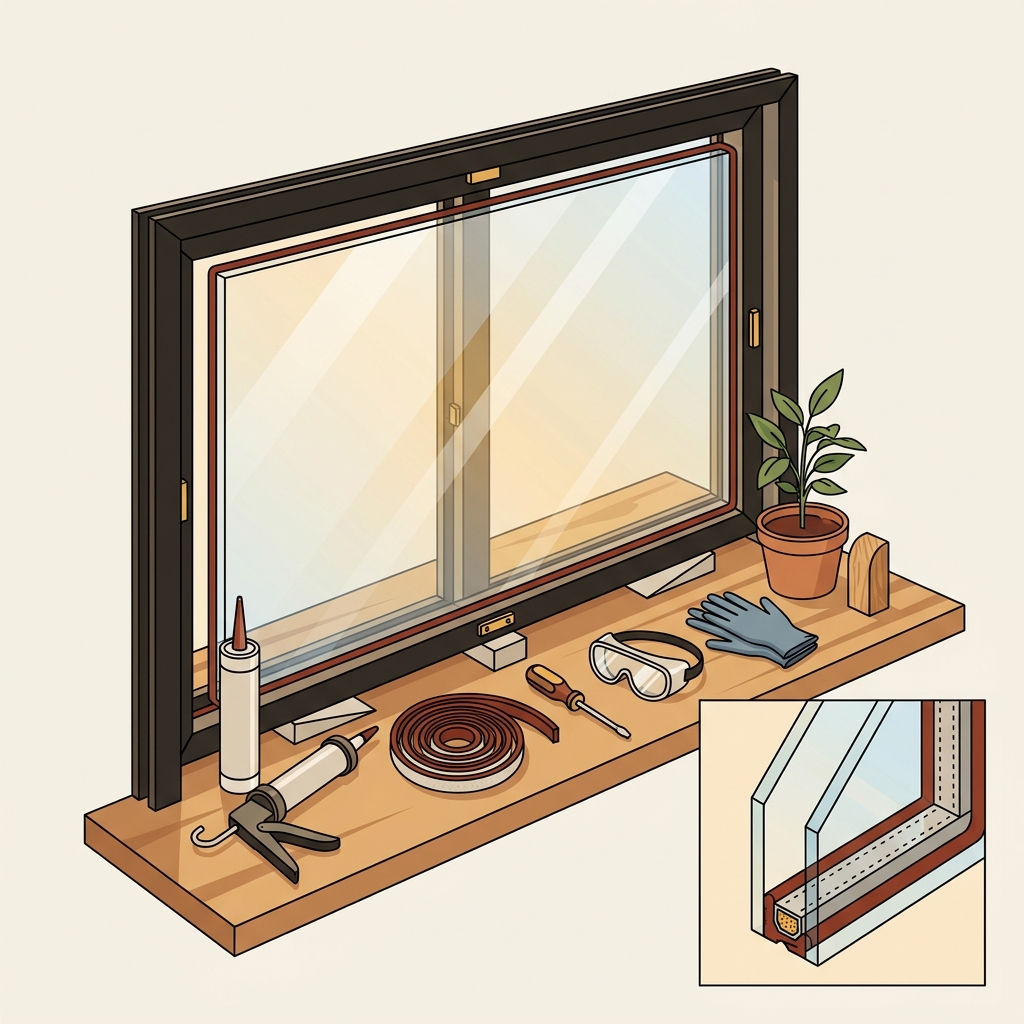
Weekly habits help too: check extract fans, inspect seals and weatherstripping around windows, and record weekly hygrometer trends so you can see whether your changes reduce overnight RH. Seasonal checks in autumn and winter are useful when the indoor to outdoor temperature difference increases and condensation risks often rise.

When persistent condensation signals a bigger issue
If you follow ventilation, reduce indoor moisture sources, and use a dehumidifier but still see heavy morning condensation, this can indicate windows with low thermal performance or building envelope issues such as cold spots, leaks, or insufficient insulation. At that point consider a targeted inspection and weigh window upgrades or insulation work; durable improvements are often the right step when simple moisture control is not enough.
When making decisions, combine the practical overnight actions and hygrometer trends with a visual check: persistent pooled water, repeated mold growth, or visibly cold glass despite normal room temperatures are clear signs that ventilation alone may not solve the problem.
Frequently asked questions
What humidity level prevents window condensation?
Aim for indoor relative humidity between 30 and 50 percent and stay under 60 percent to reduce condensation and mold risk.
Is it safe to sleep with a window slightly open to reduce condensation?
Yes if it is safe in your location; a short, slight opening can purge moist air, otherwise use extractor fans or a dehumidifier for protection without security risks.
Will replacing windows eliminate condensation completely?
Upgrading to low E or multi pane windows significantly reduces condensation but may not eliminate it if indoor humidity remains high or there are building envelope issues.
Small, consistent changes to ventilation and humidity habits often stop morning wetness and prevent mold growth. If simple steps do not work, documented hygrometer trends and persistent pooled water are clear signs to consider window upgrades or professional assessment. Use the checklists here to try low cost solutions first, then plan any larger glazing work with those results in hand.
References
- https://blog.meaco.com/how-to-cure-condensation-is-it-as-simple-as-opening-a-window/
- https://www.epa.gov/mold/brief-guide-mold-moisture-and-your-home
- https://homebydoing.com/guides/
- https://simonson-lumber.com/resources/news/preventing-condensation-on-windows/
- https://www.pella.com/ideas/windows/window-condensation-tips/
- https://efficientwindows.org/condensation/
- https://homebydoing.com/guides/sealants-and-maintenance/
- https://homebydoing.com/guides/wall-repairs-and-preparation/