
The journal
Why is my internal door sticking in the summer? Practical fixes and when to call a pro
how to fix a sticking interior door with humidity checks, hinge alignment and careful planing to restore smooth operation and prevent repeat sticking.
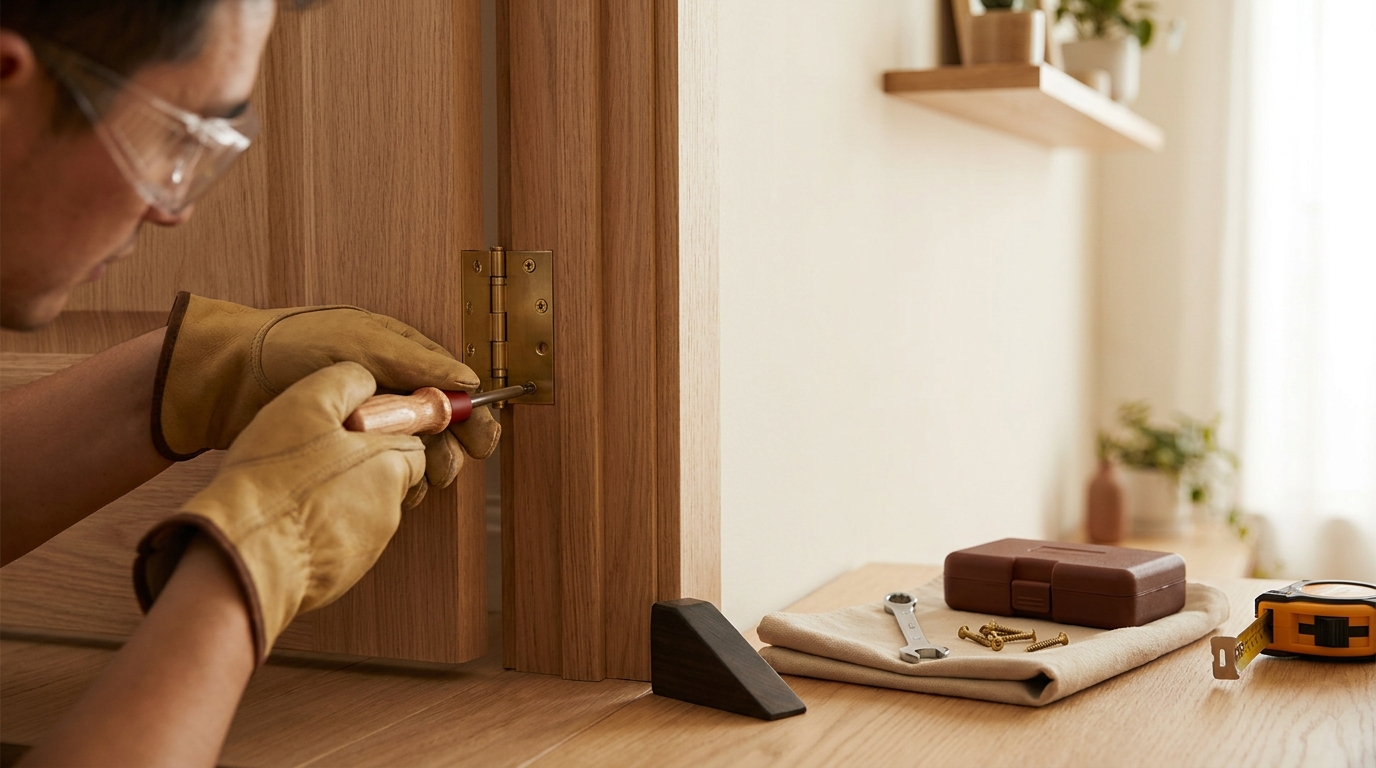
Quick answer: why an interior door often sticks in summer
how to fix a sticking interior door, one-sentence summary
Most interior doors stick in summer because the wood absorbs moisture from the air and swells across the grain, shrinking the tiny clearance between door and frame so the edge rubs or the latch binds; keeping indoor humidity in a reasonable range reduces the problem and helps avoid repeat work USDA Forest Products Laboratory wood handbook.
Who this applies to: homeowners with solid wood or wood-core doors, older houses with narrow clearances, and anyone who notices the door binds seasonally but works fine in drier months.
Quick symptoms to watch for: rubbing at one edge, a door that drags near the latch or hinge side, or a door that moves freely in winter but sticks in summer. These signs point to small dimensional change rather than a failed lock or hardware problem Building Science Corporation on relative humidity.
How humidity and wood movement cause a door to bind
Wood acts like a sponge for moisture. As indoor relative humidity rises in summer, a wood door gains moisture until it roughly matches room conditions and swells across the grain; that gain is usually small in millimeters but enough to close the few millimeters of clearance that a door needs to move freely USDA Forest Products Laboratory wood handbook.
Think of the door as a board that gets slightly thicker across its width as air gets more humid; because door stops and strike plates leave only thin gaps, even modest swelling shows up as rubbing or a tight latch.

The EPA recommends aiming for about 30 to 50 percent indoor relative humidity to limit moisture problems like swelling and mold; keeping humidity roughly in that band reduces how much wood shifts and lowers the chance a door will bind during warm months EPA guidance on mold, moisture and your home.
Indoor humidity interacts with finish and threshold details. A factory finish, painted edge or sealed jamb slows moisture exchange and limits swelling, while raw or thinly finished edges adjust faster. That is one reason sealing any freshly cut wood after planing matters for the long term.
Why does my internal door stick in the summer and what can I do about it?
Higher indoor humidity causes wood to absorb moisture and swell cross-grain, shrinking small door clearances; start with humidity control and hinge alignment, then plane or adjust seals only if needed, and call a pro for warped doors or out-of-square frames.
If you want the simplest check, use a basic hygrometer to compare indoor humidity now and on a dry day; large swings correlate with seasonal sticking and help you decide whether to prioritize humidity control or hardware fixes. For guidance on measuring and project setup, see our measuring and project planning guide, and for practical tips on removing excess indoor moisture see this guide on controlling moisture.
Diagnose the problem: hinge, alignment and simple mechanical fixes
Start by confirming whether the door is binding from wood swelling or from loose hardware. Look for uneven gaps: if the top or bottom gap is larger than the middle, or the latch side hits before the top, hinges are often the cause; if the rubbing is concentrated along a single vertical strip, swelling or paint bridges are more likely.
Tools to have at hand for these checks: screwdriver, long wood screws, a small level or straightedge, pencil, and a block of wood to test shim adjustments.
How to tell if hinges are the main issue: close the door slowly and watch where it first makes contact. If the latch side meets the strike plate before the top clears the head jamb, the door has likely sagged and you can often fix this without removing material.
Quick fixes you can do now: tighten every hinge screw, starting with the top hinge. If any screws spin without tightening, remove them and replace with longer screws so they bite into the stud behind the jamb; that restores a secure pivot and often corrects a sagging door Family Handyman how-to on sticking doors. For an additional checklist and tips, see BobVila's guide.
If the door still sags after new screws, try shifting the top hinge slightly toward the door frame to lift the door. That is done by loosening the hinge screws, tapping the hinge mortise a hair toward the strike side, and retightening. Test the door often during this adjustment to avoid overcorrection.
When moving a hinge, preserve the mortise fit. Small changes unlock clearance without changing the door geometry. If you are uncomfortable with this, a local carpenter can reposition hinges precisely and check for frame alignment.
When and how to plane or sand a sticking edge, and how to remove paint bridges
list the hand tools needed for controlled material removal
Planing or sanding the door edge is a last resort after hinge and alignment fixes have failed. Locate the exact binding area by closing the door and marking where the door contacts the jamb or stop, then add a thin pencil line on the edge so you can track progress as you remove material This Old House on targeted planing. Lowes also publishes step-by-step instructions for trimming a door to improve fit Lowes how-to.
Use a hand plane for straight, controlled removal on wood edges. Make light, even passes across the marked area, then rehang or close the door and test. If using sandpaper, clamp a sanding block and remove material evenly. Stop frequently and fit the door before you cut more.
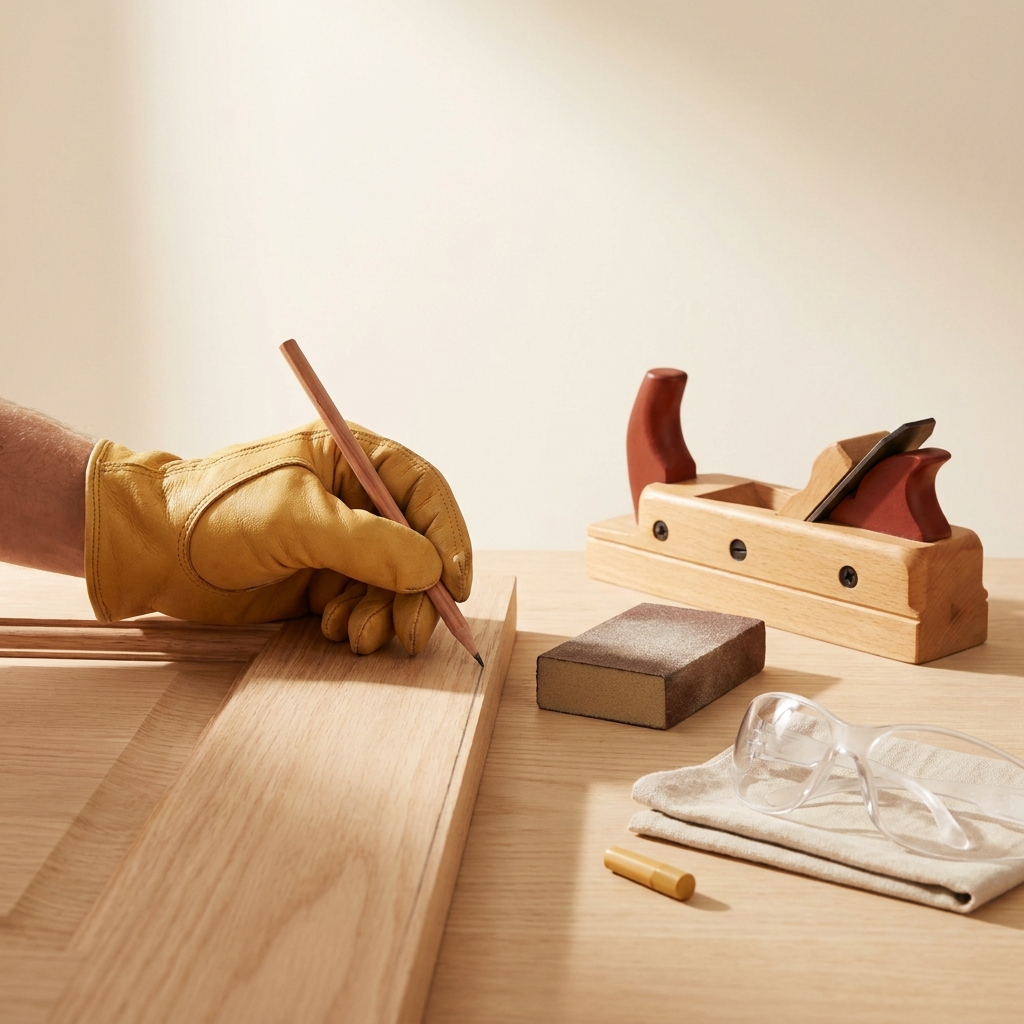
After you have removed enough material for a clean fit, seal the newly cut wood with paint or a dedicated wood sealer. A sealed edge slows moisture uptake and reduces the chance the same spot will swell again in humid months.
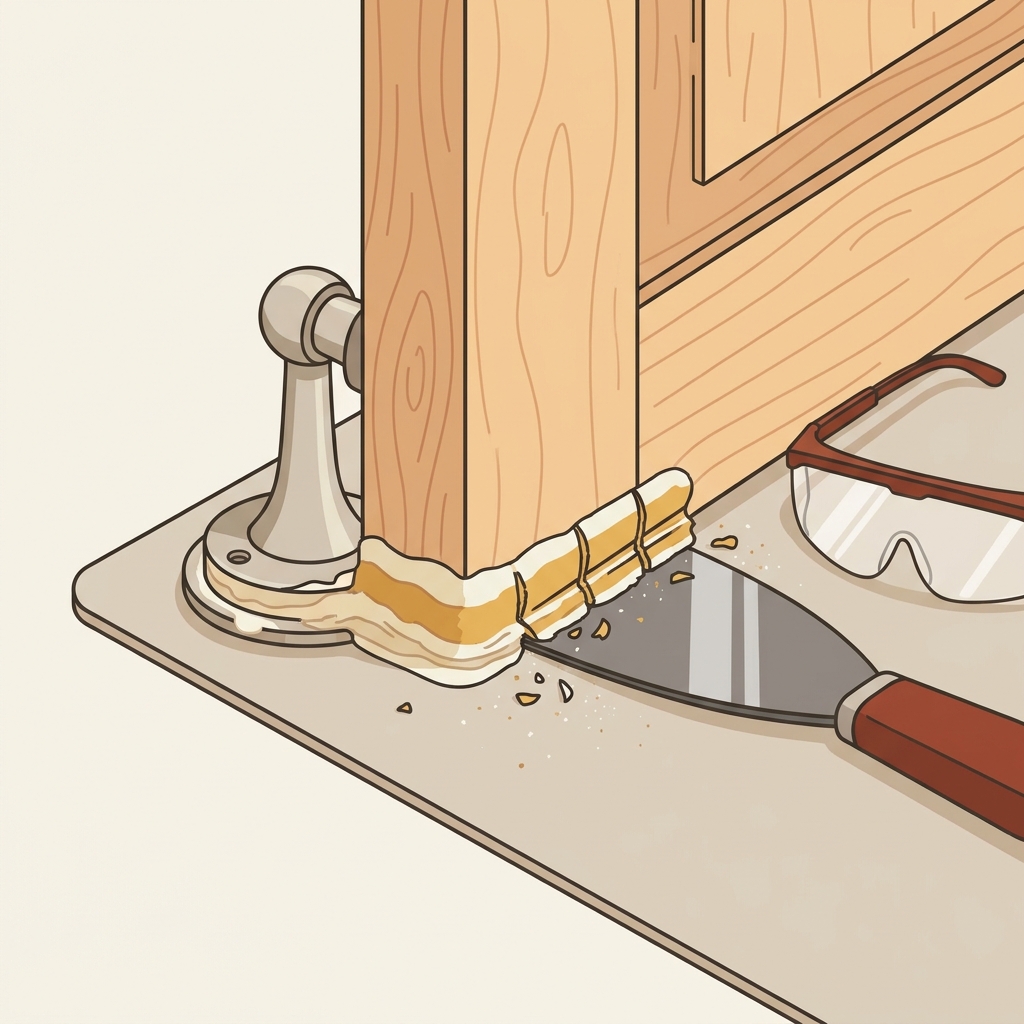
Paint bridges sometimes glue a painted edge to the stop. Score the paint at the junction with a utility knife and gently pry or scrape the buildup free. Removing the bridge avoids unnecessary planing when the root cause is excess finish rather than wood swelling Family Handyman on paint bridges and planing.
Safety reminders: wear eye protection when planing or scraping, clamp the door if you are working on a bench, and never plane more than a few millimeters at a time. If you remove too much material, reversing the cut is difficult without adding a new piece of trim.
Weatherstripping, seals and finish: balancing clearance with air sealing
Rubbing can come from seals as well as from the wood itself. Oversized or compressed weatherstripping can press against the door edge and cause friction; check the seal profile along the latch side and bottom to see whether the material is thicker than needed or has flattened into a rubbing shape.
To preserve energy performance while removing rubbing, trim foam or adhesive-back seals slightly and test. If trimming does not help, replace the weatherstripping with a thinner profile specifically rated for interior doors. Aim for a continuous seal that does not restrict normal operation. Our sealants and maintenance guide covers seal selection and upkeep.
Door sweeps at the bottom also change clearance. A new sweep can be trimmed or adjusted to keep the seal while restoring free movement. Keep the tradeoff in mind: removing all sealing may stop rubbing but will increase drafts and sound transfer.
When to call a professional, routine checks and a quick action plan
Call a professional carpenter or door installer if the frame is visibly out of square, the door is warped across its face, or multiple DIY adjustments fail to stop the sticking. These signs indicate structural or geometry issues that need tools and experience beyond basic homeowner repairs Family Handyman on when to seek help.
Simple seasonal maintenance you can add to your checklist: monitor indoor humidity, tighten hinge screws once a year, inspect weatherstripping and replace as it wears, and reseal any cut edges after planing.
Quick action plan: check indoor humidity first and address large swings; then test and tighten hinge screws and replace stripped screws with longer ones; if the door still binds, locate the binding strip and plane or sand small amounts before sealing. If the problem persists, get a professional assessment.
Routine attention to humidity and finish is often enough to prevent repeated sticking. If you take small, reversible steps and test frequently, you can usually solve the problem without major replacement or reconstruction.
Frequently asked questions
Why does my interior door only stick in summer?
Higher indoor humidity makes wood absorb moisture and swell across the grain, reducing the small clearance between door and frame so the door rubs or latches tightly.
Can I fix a sticking door myself or do I need a pro?
Start with simple checks: tighten hinge screws, replace stripped screws with longer ones, and check weatherstripping; if the frame is out of square or the door is warped, get a professional assessment.
Will a dehumidifier stop my door from sticking?
A dehumidifier can help by keeping indoor relative humidity in the 30 to 50 percent range, which limits wood swelling, but combine it with hardware or seal fixes for best results.
A sticking interior door rarely needs replacement. With a few checks and controlled repairs you can restore smooth operation and reduce the chance of repeat sticking. If adjustments and sealing do not help, a professional carpenter can evaluate the frame and door geometry. Follow the quick action plan: monitor humidity, secure hinges, address binding spots carefully, reseal cut wood, and call a pro when the frame or door shows structural issues.
References
- https://www.fpl.fs.usda.gov/documnts/fplgtr/fpl_gtr190.pdf
- https://www.epa.gov/mold/brief-guide-mold-moisture-and-your-home
- https://homebydoing.com/guides/measuring-and-project-planning/
- https://www.vividdoors.co.uk/internal-doors/how-to-prevent-internal-doors-from-sticking
- https://www.bobvila.com/articles/how-to-fix-a-sticking-door/
- https://www.lowes.com/n/how-to/repairing-a-sticky-door
- https://homebydoing.com/guides/sealants-and-maintenance/
- https://homebydoing.com/guides/interior-painting/
Product options for this topic
As an Amazon Associate I earn from qualifying purchases. These are researched options, not hands-on test results. Check the exact size or model, current price and availability on Amazon.
| Product option | Fit and limits to check | Retailer |
|---|---|---|
| Klein Tools 32500 11-in-1 screwdriver | Several common bit shapes in one hand tool for household assembly. Match the bit to the fastener; this is not an insulated electrical-work tool. | View on Amazon |