
The journal
Can wallpaper be removed without damaging the wall? What actually works
A clear, practical answer on removing wallpaper with minimal wall damage, plus methods, safe steps, and what to do if the wall starts tearing.
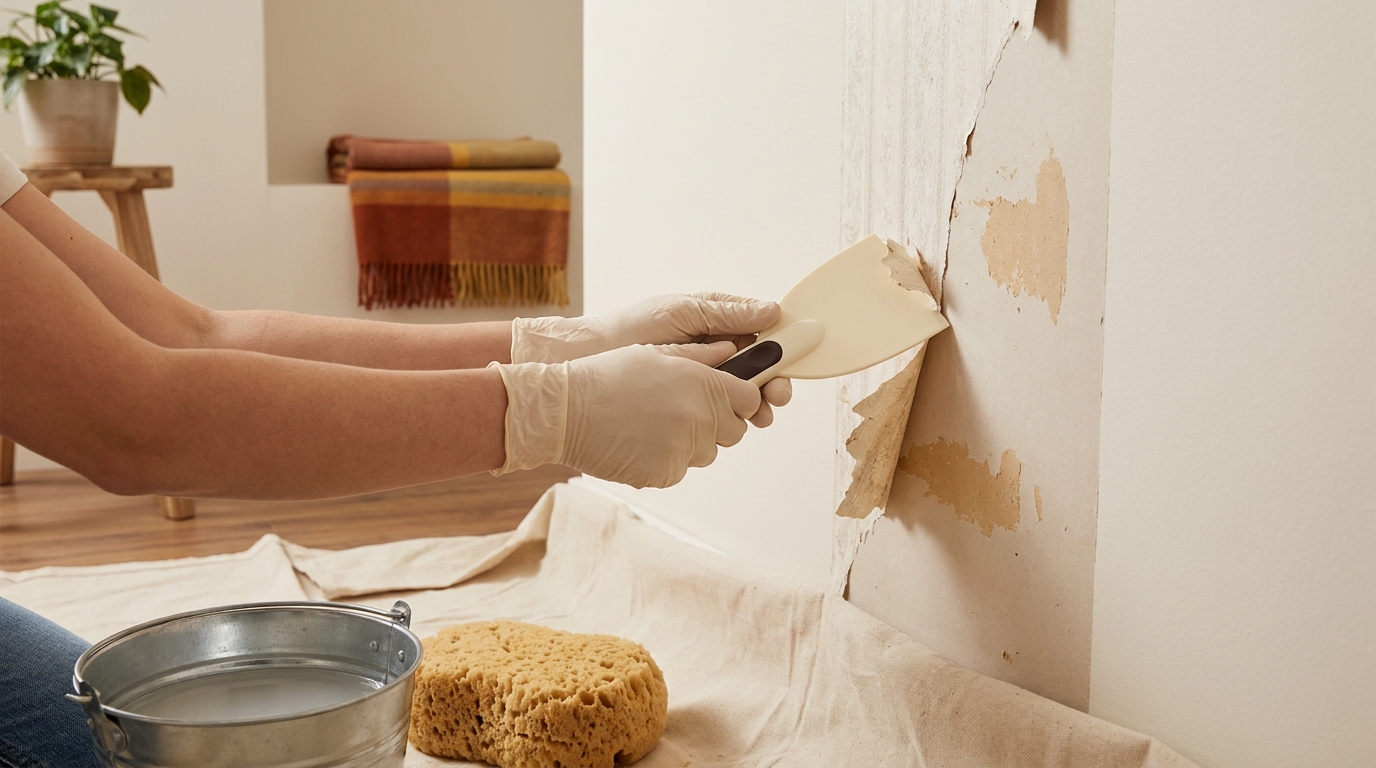
Yes, often. Wallpaper can usually be removed without damaging the wall when you test first, soften the adhesive, and use gentle tools and technique. If the paper was installed over unprimed drywall, expect some surface tearing and plan for repairs and sealing primer afterward (https://wallsbydesign.com/properly-remove-wallpaper/).
Assess risk with a quick test patch
Pick a discreet 6 x 6 inch area. Soak it with warm water (or a mild remover), keep it damp for about 10-15 minutes, then try lifting a corner with a plastic putty knife. If the backing releases and you can slide the blade under the paper without pulling wall fibers, you can proceed. If the wall’s paper face starts to fuzz or tear, slow down and plan for gentle methods and later repairs (https://www.benjaminmoore.com/en-ca/interior-exterior-paints-stains/how-to-advice/painting-101/6-steps-to-remove-wallpaper, https://thediyplaybook.com/how-to-remove-wallpaper-easily/).
Walls previously papered directly over raw drywall are more likely to lose the paper face during removal, so treat them with extra care and expect patching and sealing primer later (https://wallsbydesign.com/properly-remove-wallpaper/).
Pick the least aggressive method for your wallpaper type
Strippable or traditional paper
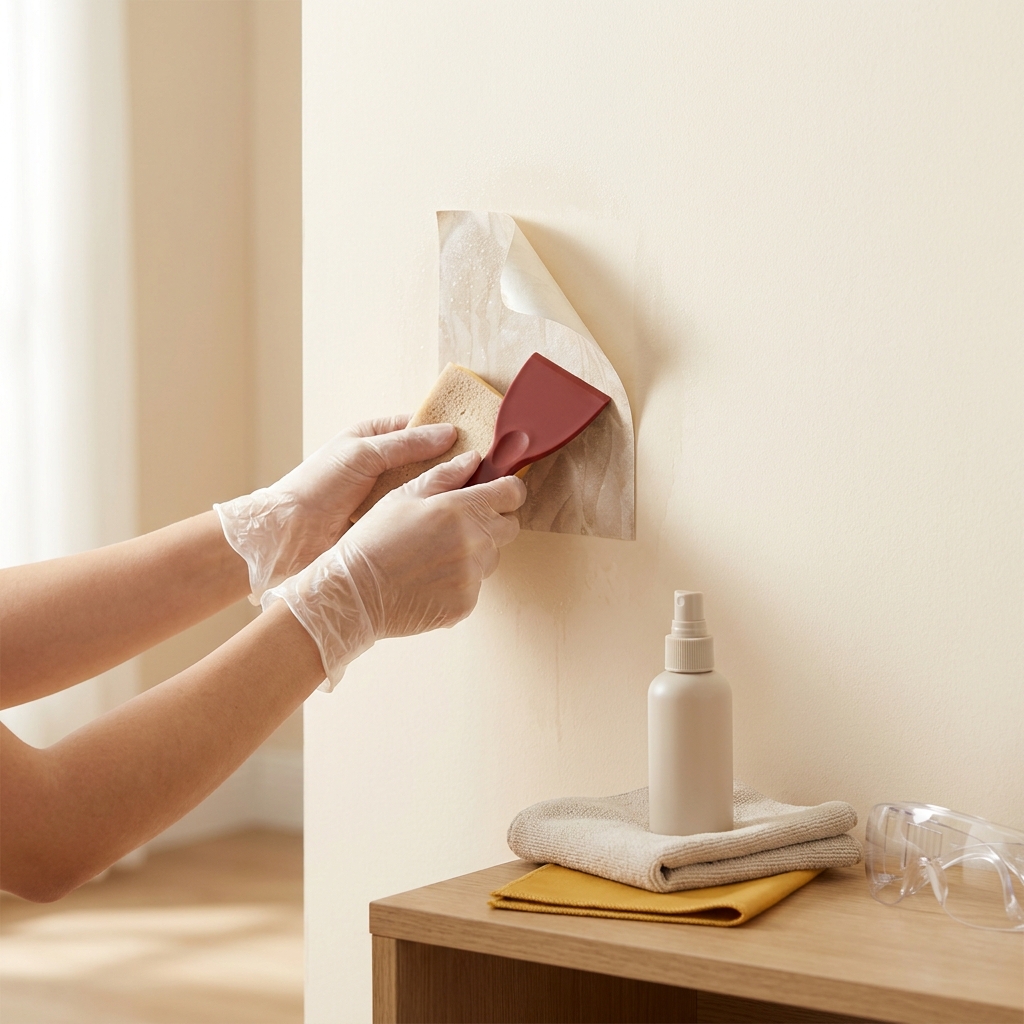
Try to peel the surface layer at seams or from the top edge, then soak the paper backing thoroughly so the glue reactivates. Keep the wall damp and let solution dwell before lifting with a rounded plastic putty knife (https://www.benjaminmoore.com/en-ca/interior-exterior-paints-stains/how-to-advice/painting-101/6-steps-to-remove-wallpaper, https://thediyplaybook.com/how-to-remove-wallpaper-easily/).
Vinyl-coated paper
Water may not penetrate the top layer. Light scoring can help solution reach the adhesive, but over-scoring increases drywall damage risk. Start without scoring; if needed, score lightly and sparingly. Many pros avoid aggressive scoring tools because they can mar drywall (https://www.benjaminmoore.com/en-ca/interior-exterior-paints-stains/how-to-advice/painting-101/6-steps-to-remove-wallpaper, https://wallsbydesign.com/properly-remove-wallpaper/).
Peel-and-stick wallpaper
Quality peel-and-stick is designed to come off cleanly from painted or primed walls when removed slowly. Pull at a shallow angle, and warm the adhesive with a hair dryer or steamer if it resists. Weak or chipping paint can lift during removal; go slowly and be ready to touch up (https://mitchellblack.com/blogs/news/does-peel-and-stick-wallpaper-damage-walls?srsltid=AYCX9vJkg28JQCFWws5OkKq17PT67IEm1c_MlPnQrKBo2recVJqVmKGh).
Steam as a later option
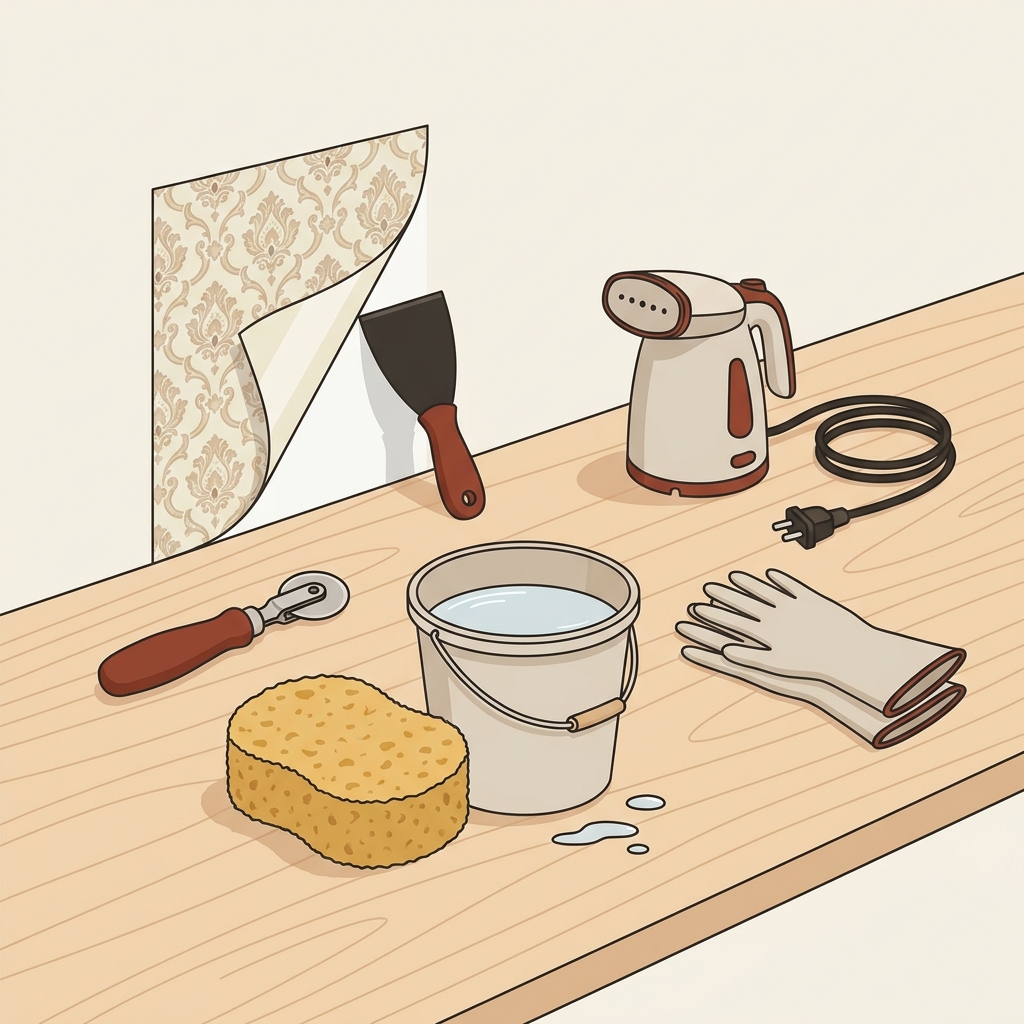
Steam can deliver predictable results on stubborn paper, but still requires patience and careful scraping to avoid gouges. Consider it after soaking and adhesive removers if progress stalls (https://wallsbydesign.com/properly-remove-wallpaper/, https://www.benjaminmoore.com/en-ca/interior-exterior-paints-stains/how-to-advice/painting-101/6-steps-to-remove-wallpaper).
Step-by-step: remove wallpaper with minimal damage
- Protect the room. Remove wall hangings, cover floors, and tape off trim and outlet openings. Wear gloves and protective eyewear when using removers or steam (https://www.benjaminmoore.com/en-ca/interior-exterior-paints-stains/how-to-advice/painting-101/6-steps-to-remove-wallpaper).
- Work in small sections. Start at the top, test, then either peel the top layer or begin soaking the paper/backing thoroughly (https://thediyplaybook.com/how-to-remove-wallpaper-easily/).
- Soften the glue and wait. Use warm water with a little dish soap, vinegar solution, or a wallpaper stripper. Keep the area wet and allow 10-15 minutes of dwell time as needed (https://www.benjaminmoore.com/en-ca/interior-exterior-paints-stains/how-to-advice/painting-101/6-steps-to-remove-wallpaper).
- Lift with a plastic scraper. Keep the blade flat to slide under the paper instead of into the wall. Re-wet stubborn areas and resist dry-pulling large sheets (https://thediyplaybook.com/how-to-remove-wallpaper-easily/).
- Remove all adhesive. Reapply solution and gently scrape, then wipe with a damp cloth or sponge until the wall no longer feels tacky. Let dry completely (https://www.benjaminmoore.com/en-ca/interior-exterior-paints-stains/how-to-advice/painting-101/6-steps-to-remove-wallpaper, https://thediyplaybook.com/how-to-remove-wallpaper-easily/).
After removal: cleaning, repairs and primer
Even with care, small nicks or torn paper face can happen. Clean thoroughly, then repair and prime for best results:
- Wash away adhesive residue with warm soapy water or a vinegar mix before any repairs or paint, and let the wall dry fully (https://www.benjaminmoore.com/en-ca/interior-exterior-paints-stains/how-to-advice/painting-101/6-steps-to-remove-wallpaper, https://thediyplaybook.com/how-to-remove-wallpaper-easily/).
- Seal residual glue before water-based materials. If you can’t remove every trace of paste, an oil-based/solvent-based primer helps lock it down to prevent bubbling when you apply joint compound or latex paint (https://wallsbydesign.com/properly-remove-wallpaper/).
- Patch and sand. Fill torn paper areas and small gouges with joint compound or spackle, then sand smooth. See our guide on small wall repairs: Do drywall patch kits work?
- Prime before painting. A dedicated wall primer over your repairs helps paint adhere uniformly. More on primer choices here: Is it necessary to use primer before painting walls? and see the reminder to prime after wallpaper removal (https://www.benjaminmoore.com/en-ca/interior-exterior-paints-stains/how-to-advice/painting-101/6-steps-to-remove-wallpaper).
Common mistakes to avoid
- Dry-pulling stubborn paper. Always re-wet and let solution dwell; forcing it risks gouges (https://thediyplaybook.com/how-to-remove-wallpaper-easily/).
- Overusing scoring tools. Excess scoring can damage drywall; use lightly and only if soaking can’t reach through vinyl layers (https://wallsbydesign.com/properly-remove-wallpaper/, https://www.benjaminmoore.com/en-ca/interior-exterior-paints-stains/how-to-advice/painting-101/6-steps-to-remove-wallpaper).
- Skipping paste cleanup and primer. Residual adhesive can cause paint or compound to bubble; clean well and, if needed, seal before moving on (https://wallsbydesign.com/properly-remove-wallpaper/, https://www.benjaminmoore.com/en-ca/interior-exterior-paints-stains/how-to-advice/painting-101/6-steps-to-remove-wallpaper).
Before you start: 10-minute wallpaper removal risk check
Short FAQs
Will peel-and-stick wallpaper ruin drywall?
It’s designed to remove cleanly from painted or primed walls when pulled slowly at a shallow angle. Old or flaking paint can lift, so go gently and warm the adhesive if needed (https://mitchellblack.com/blogs/news/does-peel-and-stick-wallpaper-damage-walls?srsltid=AYCX9vJkg28JQCFWws5OkKq17PT67IEm1c_MlPnQrKBo2recVJqVmKGh).
Do I need a steamer?
Not always. Many jobs come down with warm water or remover and patience. Use a steamer if soaking isn’t working and you can scrape carefully (https://wallsbydesign.com/properly-remove-wallpaper/, https://www.benjaminmoore.com/en-ca/interior-exterior-paints-stains/how-to-advice/painting-101/6-steps-to-remove-wallpaper).

If you meet repeated paper-face tearing across large areas or discover wallpaper over raw drywall, pause and consider a pro to prevent widening damage (https://wallsbydesign.com/properly-remove-wallpaper/).