
The journal
What ruins microfiber towels (and how to prevent it)
The main things that ruin microfiber towels are fabric softeners and dryer sheets, high dryer heat, lint from other fabrics, and detergent residue. Wash separately, use a mild additive‑free detergent, and dry on low heat or air.
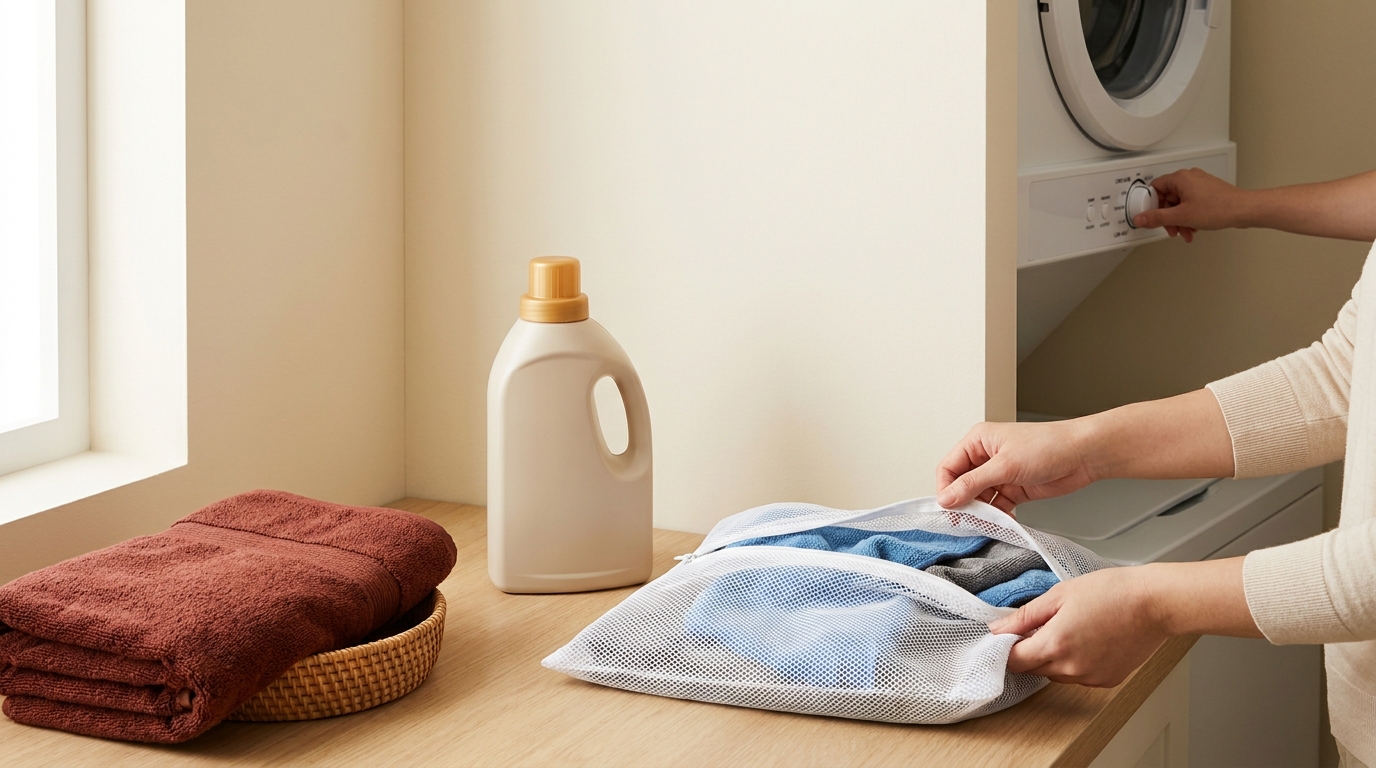
Microfiber towels can lose performance through fabric softeners and dryer sheets, high dryer heat, lint transfer from cotton or other shedding fabrics, and detergent or oil buildup. To keep them working, wash only with other microfiber, use a small amount of mild additive‑free detergent, skip softeners and dryer sheets, and use only dryer accessories allowed by the towel maker, and dry on low heat or air. Fuller Brush guide; Arm & Hammer guide; The Rag Company FAQ
What ruins microfiber towels, and why it happens
Fabric softeners and dryer sheets
Liquid softeners and dryer sheets leave a coating that fills the tiny spaces in microfiber, reducing absorbency and pickup. That coating makes cloths smear or leave streaks. Fuller Brush guide; Arm & Hammer guide
High heat in the dryer
Excessive dryer heat can damage or fuse the fine synthetic fibers, flattening the pile and reducing performance. Low heat or air dry protects the fibers. Fuller Brush guide; Arm & Hammer guide
Lint from other fabrics
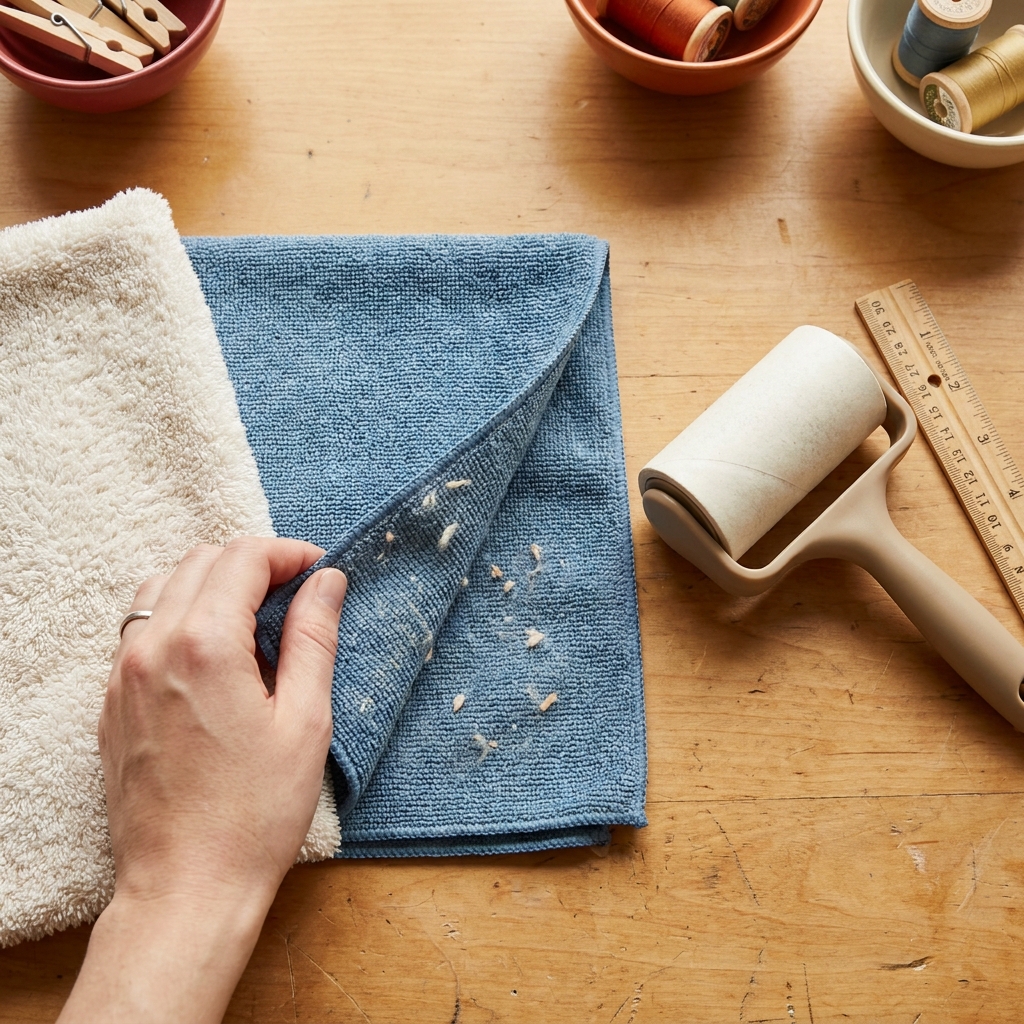
Washing or drying with cotton towels, terry, fleece, or other linty textiles embeds stray fibers into microfiber. Those lint strands are hard to remove and can spoil streak-free work on glass or paint until removed; inspect and rewash before deciding whether the towel is unusable. The Rag Company FAQ; Arm & Hammer guide
Too much detergent and residues
Using more detergent than needed can leave residue that makes cloths feel slick or cause streaking, even when you rinse well. Fuller Brush guide
Dryer balls and bleach
Some manufacturers advise against dryer balls for microfiber; stick to low heat without additives. Chlorine bleach is usually unnecessary and may weaken or discolor certain microfiber cloths, so follow the care label. Arm & Hammer guide; Fuller Brush guide
Simple care routine that avoids the damage
- Sort by material: wash microfiber only with other microfiber to avoid lint transfer. The Rag Company FAQ; Arm & Hammer guide
- Use a small amount of mild detergent without dyes or perfumes. More soap is not better for microfiber. Arm & Hammer guide; Fuller Brush guide
- Water temperature: cold for lightly soiled loads, warm for heavy soil, unless the care label states otherwise. Arm & Hammer guide
- Skip fabric softener, softener crystals and dryer sheets. Check the towel maker’s directions before adding dryer balls or other accessories. Arm & Hammer guide; Fuller Brush guide
- Dry on low heat or air dry and remove promptly. Empty the lint trap before drying. Arm & Hammer guide; Fuller Brush guide
Tip: If you’re chasing residue issues in your washer, it can help to keep the machine tidy between loads. See our practical guides for cleaning a washing machine drawer and understanding washer filters.
If your towels already got mixed, heated, or softened
- Lint contamination: you can pick out visible strands and rewash with a clear, unscented detergent, but there’s no guarantee all lint will come out. Towels that still shed or scratch after rewashing are best repurposed for general cleaning. The Rag Company FAQ
- Residue or oil buildup: rewash once with a small amount of mild detergent, then dry low or air. If performance is still poor, retire the towel from streak‑sensitive tasks. Fuller Brush guide
- Heat damage: if the pile feels matted or the towel no longer absorbs after careful rewashing, consider it worn for delicate surfaces and assign it to tougher jobs. Fuller Brush guide
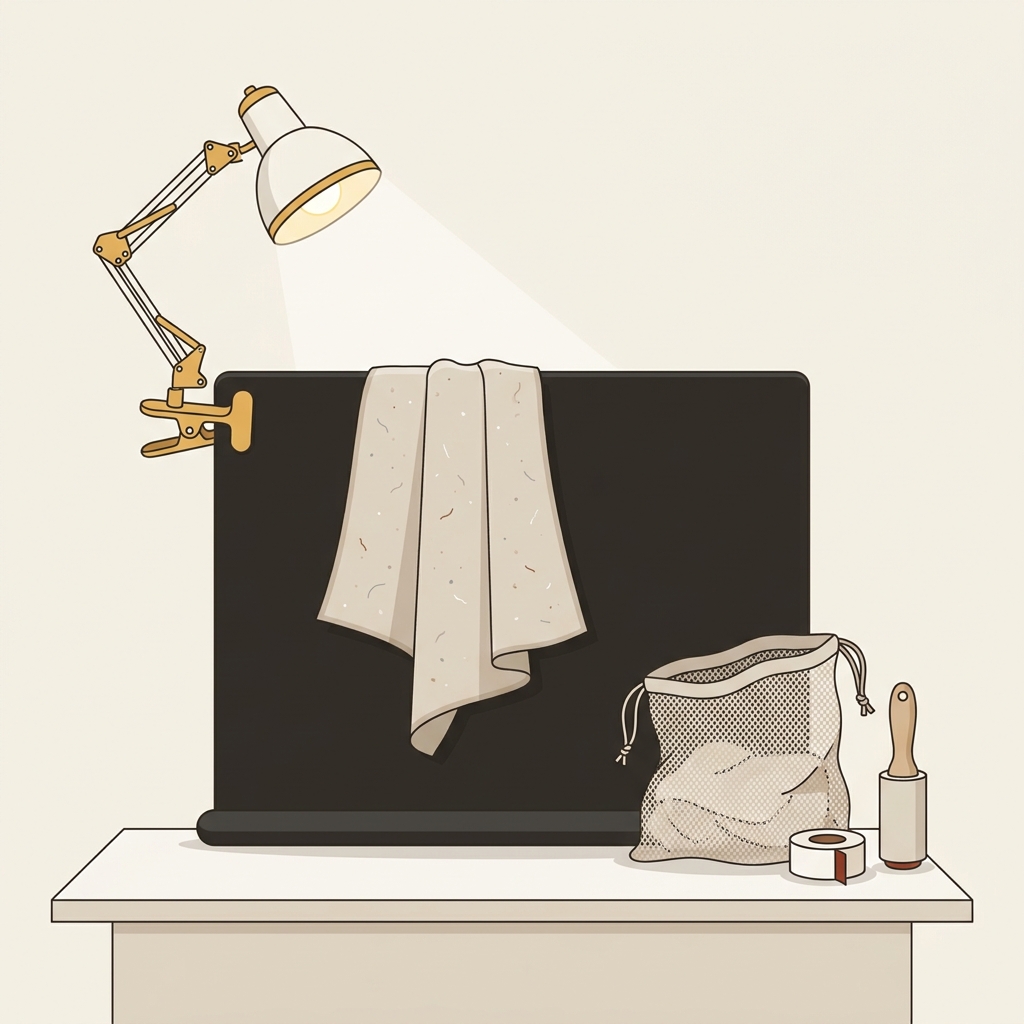
Prevent microfiber damage: quick load prep
FAQ
Do dryer balls ruin microfiber?
Some care guides advise skipping dryer balls for microfiber and relying on low heat without additives. Avoid dryer sheets and liquid softener entirely. Arm & Hammer guide
Can I bleach microfiber towels?
Chlorine bleach is usually unnecessary and may weaken or discolor certain microfiber cloths. Follow your towel’s care label. Fuller Brush guide