
The journal
Does condensation on windows mean the house is too cold? Practical steps to stop it
how to stop condensation on windows with ventilation, humidity targets, and simple repairs to protect sills and reduce mould risk.
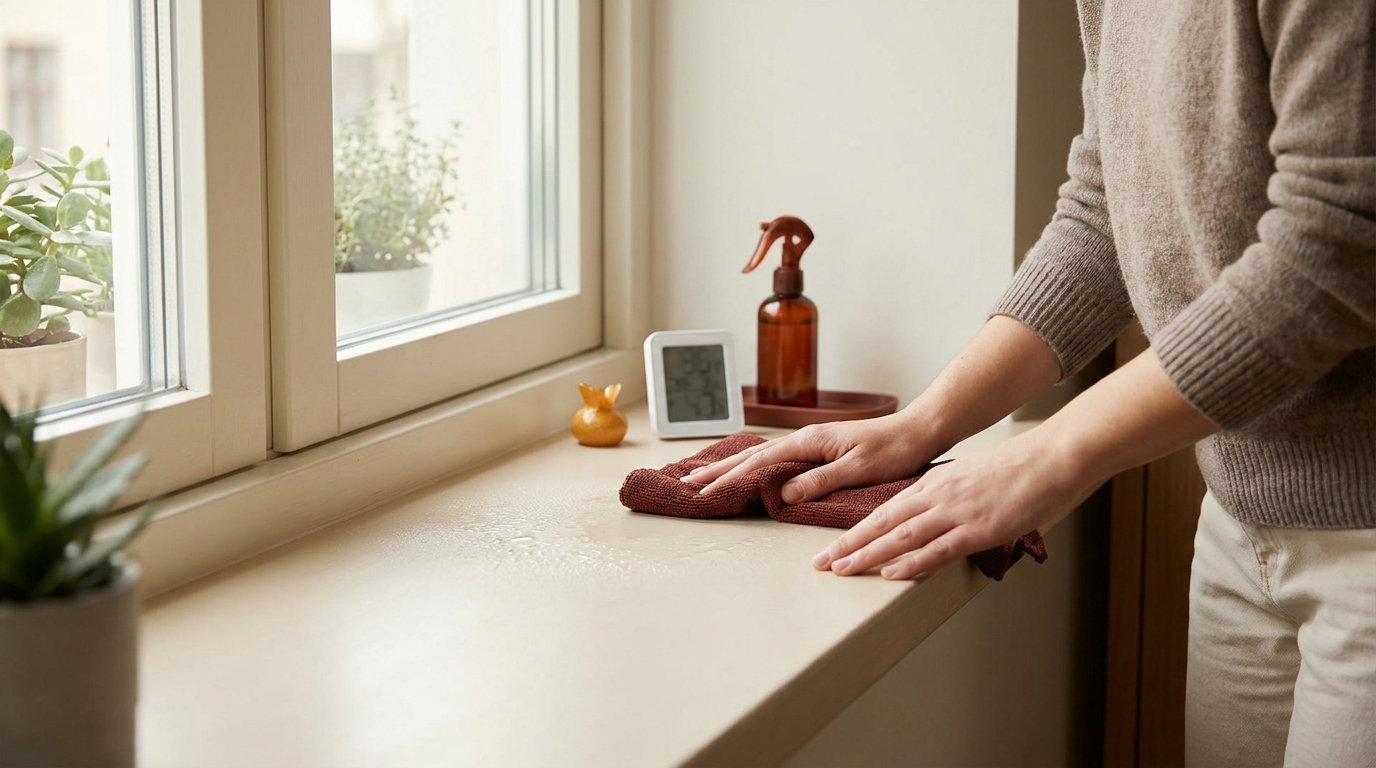
Why condensation forms on windows
Think of a cold drink on a warm day: drops collect on the outside because the glass is colder than the surrounding air. The same basic idea explains indoor window condensation, which occurs when the interior glass surface cools to the room air's dew point and water vapor changes to liquid. That dew point depends on the combination of indoor air temperature and relative humidity, so warmer, better-insulated glazing raises the glass temperature and reduces the chance of visible moisture forming Energy Saver moisture control.
Relative humidity is the key number to watch because it sets the dew point for a given room temperature. At the same air temperature, higher relative humidity means a higher dew point and a greater chance that cold surfaces, including single-pane window glass or frames, will reach that temperature and collect water. For a simple, practical picture: moist air inside meets a cool glass surface and the excess moisture becomes visible on the glass and sometimes the sill Efficient Windows Collaborative condensation. Additional practical guidance on condensation risk is available from an Australian housing guide YourHome condensation.
quick checks for dew point and humidity at home
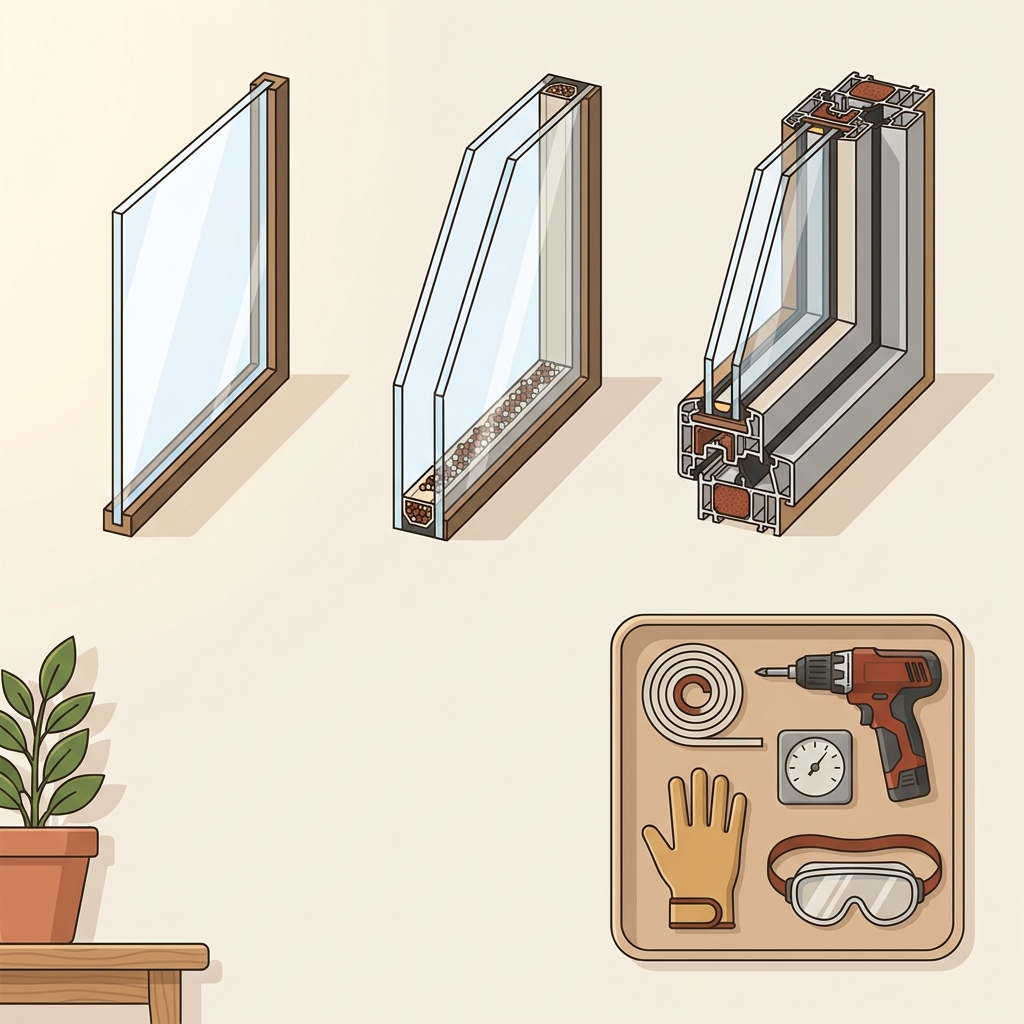
Not all windows behave the same. Single-pane glazing and poorly insulated frames let interior glass surfaces run cooler than double- or triple-pane units, so they show condensation earlier and more often. Edge spacers, seal quality and the overall window installation also affect interior glass surface temperature and therefore how readily condensation forms Efficient Windows Collaborative condensation. A home-window specialist article also explains common window causes and signs Condensation: Are my windows the cause?.
Nighttime and cold weather make condensation more likely because exterior temperatures pull heat from the glass and frames, lowering the interior surface temperature. Even when the room air feels reasonably warm, the glass can be cool enough to reach the dew point, which is why you may see condensation on windows overnight even if the house is not uncomfortably cold CMHC condensation in your home. A home inspector overview on fogged windows covers similar overnight behaviour Fogged Up? Clearing the Air About Window Condensation.
In short, condensation is a symptom of the interaction between interior humidity and cold glass, not proof on its own that the whole house is underheated. That distinction matters because the most effective fixes focus first on controlling moisture and improving ventilation, and second on raising glass temperature where practical Energy Saver moisture control.
Does condensation mean the house is too cold?

It can, sometimes. If rooms are habitually cold and glass temperatures are low, modestly raising indoor heat will warm the interior glass surface and reduce condensation risk. Increasing room air temperature changes the dew point relationship and can help in cases where heat is uneven or rooms are rarely used. This is one of several possible fixes, and it often helps when combined with moisture reduction and ventilation Efficient Windows Collaborative condensation.
However, condensation often points to excess indoor moisture or poor ventilation rather than simply low heating. Activities that add moisture, like drying laundry indoors, long hot showers without running the exhaust fan, or cooking without venting, raise indoor relative humidity and the dew point, which makes condensation more likely even when the house is reasonably warm. In these cases, raising heat alone may not stop the problem and could raise energy use without addressing the source EPA guide to mold and moisture.
Does condensation on windows mean the house is too cold?
Not always; condensation usually indicates a moisture and temperature balance issue where indoor humidity meets a cold glass surface, so start with ventilation and humidity control rather than assuming the house is underheated.
Health and building guidance emphasize that persistent wetting of sills and frames increases the risk of damp and mold, so homeowners and renters should treat repeated condensation as a sign to act on humidity and ventilation. Authorities advise keeping indoor relative humidity below 60 percent and ideally around 30 to 50 percent to limit both condensation and mold growth, and they recommend managing moisture with source control plus exhaust ventilation where possible CDC dampness and mold facts.
The practical balance is to keep living spaces reasonably warm while prioritizing moisture control. Consistent heating helps, but the most reliable results come from addressing the moisture sources, ensuring exhaust fans vent outdoors, and improving background ventilation so air moves across window surfaces rather than sitting still.
Practical actions: how to stop condensation on windows now
Immediate steps: start by drying visible water from sills and frames and wiping glass to remove pooled moisture; prompt drying lowers the short-term risk of damage and mold growth. After drying, set a short plan for the next few days: run exhaust fans during cooking and showering, avoid drying clothes indoors if possible, and check whether condensation returns overnight EPA guide to mold and moisture.
Next, use a dedicated humidity monitor to track relative humidity in the rooms where condensation appears. Aim to keep the indoor humidity below 60 percent and preferably between 30 and 50 percent; this gives a practical target for when to add ventilation or use a dehumidifier. Monitoring helps you see whether the problem is situational or persistent CDC dampness and mold facts.
Daily habits that reduce recurrence include running bathroom and kitchen exhaust fans during use and for a short while after, keeping trickle vents or background vents unblocked, and using lids on pans when cooking to limit steam. Also try to avoid activities that add large amounts of moisture to the air when ventilation is limited, such as boiling kettles for long periods or leaving wet clothes inside to dry Energy Saver moisture control. For basic vent and opening checks see our wall and repair guidance wall repairs and preparation.
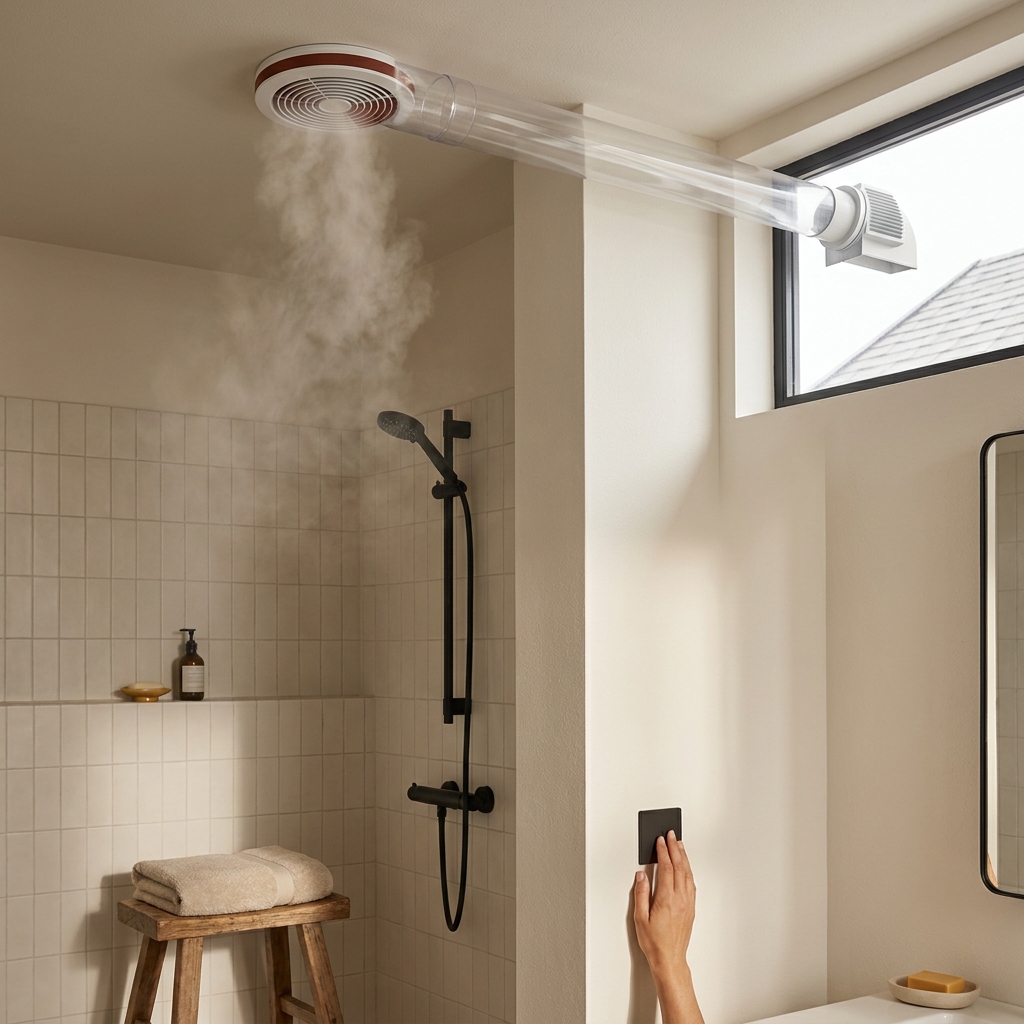
When to use a dehumidifier or mechanical ventilation: if you monitor humidity and find it stays consistently above the upper target despite using fans and changing habits, a portable dehumidifier can remove moisture from the air and reduce condensation. For homes with chronic problems or where occupants cannot control source moisture, mechanical ventilation with heat recovery or dedicated dehumidification may be a longer term solution and can work alongside source control to keep humidity in the recommended range CMHC condensation in your home.
Heating and circulation tips to help now include keeping a low, steady level of heat through colder nights in rooms where condensation appears, opening curtains briefly during the warmest part of the day to encourage air movement across the glass, and avoiding blocking vents or radiators that help keep frame temperatures up. These steps raise the interior glass surface temperature and reduce the likelihood of reaching the dew point Efficient Windows Collaborative condensation.
When to evaluate, repair or upgrade windows
If condensation is frequent and limited to particular windows, inspect those units first. Look for failed seals, visible cold spots on the interior glass, or drafts around frames. Compromised seals and poor air sealing reduce the insulating effect of double- or triple-pane glazing and can lower interior glass temperature so condensation appears more often Efficient Windows Collaborative condensation.
Window performance matters: better-insulated glazing with low-e coatings raises the interior glass temperature and cuts the chance of condensation, while proper edge spacers and airtight installation help maintain that advantage. Where windows are old, single-pane, or have failed seals, upgrading glazing or improving frame insulation can be a cost-effective way to reduce chronic condensation rather than relying only on higher heating bills and dehumidification Energy Saver moisture control.
Low-cost repairs to try before replacement include adding weatherstripping, sealing gaps around frames, fitting heavier curtains or thermal blinds to buffer cold glass, and ensuring vents are clear so warm air can reach the window surface. These measures often improve interior glass temperatures enough to cut wetting without a full replacement CMHC condensation in your home. For specific repair steps on weatherstripping and sealants see our maintenance guide sealants and maintenance.
When replacement is on the table, weigh the expected reduction in condensation and energy savings against installation cost. In many cases, targeted repairs and better ventilation will solve the problem; if windows are also drafty, failing structurally, or costing a lot in heating losses, then replacement with higher-performance units may be justified Efficient Windows Collaborative condensation.
Common mistakes and what does not help
Overheating a room briefly is a common quick fix, but it does not address the underlying moisture sources. Turning up the heat for short periods can temporarily warm glass and clear water, yet if humidity remains high the condensation will return and energy will be wasted. Focus on reducing moisture and improving ventilation for lasting results Energy Saver moisture control.
Blocking ventilation is another mistake to avoid. Closing trickle vents, sealing off background ventilation, or taping over vents can increase relative humidity and make condensation and mould more likely in the long run. Background ventilation is meant to maintain air movement and limit indoor moisture buildup, so keep vents clear and functional.
Wiping windows without addressing humidity or drying frames properly is useful only as a short-term measure. Recurrent wetting requires finding the source of moisture and improving air movement and drying. Likewise, painting over damp or covering moldy areas without drying and removing the cause can trap moisture and lead to worse damage later EPA guide to mold and moisture.
Real-life scenarios, quick checks and next steps
Quick diagnostic checklist: measure room relative humidity with a basic monitor, note whether condensation appears chiefly at night, inspect sills for pooling water, and confirm that bathroom and kitchen fans vent outdoors rather than into an attic or cupboard. These checks separate simple behavior fixes from installation or ventilation faults CMHC condensation in your home.
Kitchen scenario: if you find heavy condensation after cooking, run the cooker hood that vents outside and use lids on pans, and avoid leaving kettles boiling. If steam still collects despite these steps, check whether the fan actually vents outdoors and whether the room needs a small increase in background ventilation or a portable dehumidifier during wet weather Energy Saver moisture control.
Bathroom scenario: long hot showers are a common moisture source. Use the bathroom fan during the shower and keep it running for a short period after to clear steam. If the fan pushes air into an attic rather than outdoors, have it rerouted so moisture is expelled outside rather than stored in building cavities where it can cause long-term problems.
Bedroom scenario: condensation on bedroom windows overnight often responds to steady low heat and keeping bedroom doors slightly ajar to allow air movement, alongside reducing moisture sources like indoor drying. If you live in a rented home and persistent wetting leads to visible mould, inform the landlord or housing provider because they may be responsible for ensuring adequate ventilation and repairs CDC dampness and mold facts.
When to call a professional: if condensation persists across multiple windows after you have controlled moisture sources and used ventilation, or if you find recurring mould or structural damp, a professional assessment can identify insulation, sealing or ventilation upgrades that are appropriate for your situation Efficient Windows Collaborative condensation.
Frequently asked questions
Will increasing the heat always stop window condensation?
Raising temperature can help if glass is very cold, but without reducing indoor humidity or improving ventilation the condensation often returns.
What indoor humidity level should I aim for to limit condensation?
Aim to keep relative humidity below 60 percent and ideally between 30 and 50 percent to reduce condensation and mould risk.
When should I consider replacing my windows to stop condensation?
Consider replacement when seals have failed, multiple windows show chronic condensation, or upgrades will also improve comfort and energy use.
Condensation on windows is solvable in most homes by addressing moisture sources, improving ventilation, and making modest changes to heating and window insulation where needed. Start with the simple checks and habits described here and escalate only if condensation persists or mould appears. If you need step-by-step home project guides for ventilation or window improvements, explore practical instructions and checklists to help you proceed with confidence.
References
- https://www.efficientwindows.org/condensation/
- https://www.yourhome.gov.au/passive-design/condensation
- https://harveywindows.com/inspiration/ideas-advice/condensation-are-my-windows-the-cause-harvey-windows-doors
- https://www.homeinspector.org/reporter-articles/fogged-up-clearing-the-air-about-window-condensation/
- https://www.epa.gov/mold/brief-guide-mold-moisture-and-your-home
- https://www.cdc.gov/mold/dampness_facts.htm
- https://homebydoing.com/guides/
- https://homebydoing.com/guides/wall-repairs-and-preparation/
- https://homebydoing.com/guides/sealants-and-maintenance/