
The journal
Make felt pads stay on chairs: choose the right type and prep
A practical guide to choosing furniture felt pads that actually stay on chair legs, with sizing, thickness, fastening types and clean-application steps.
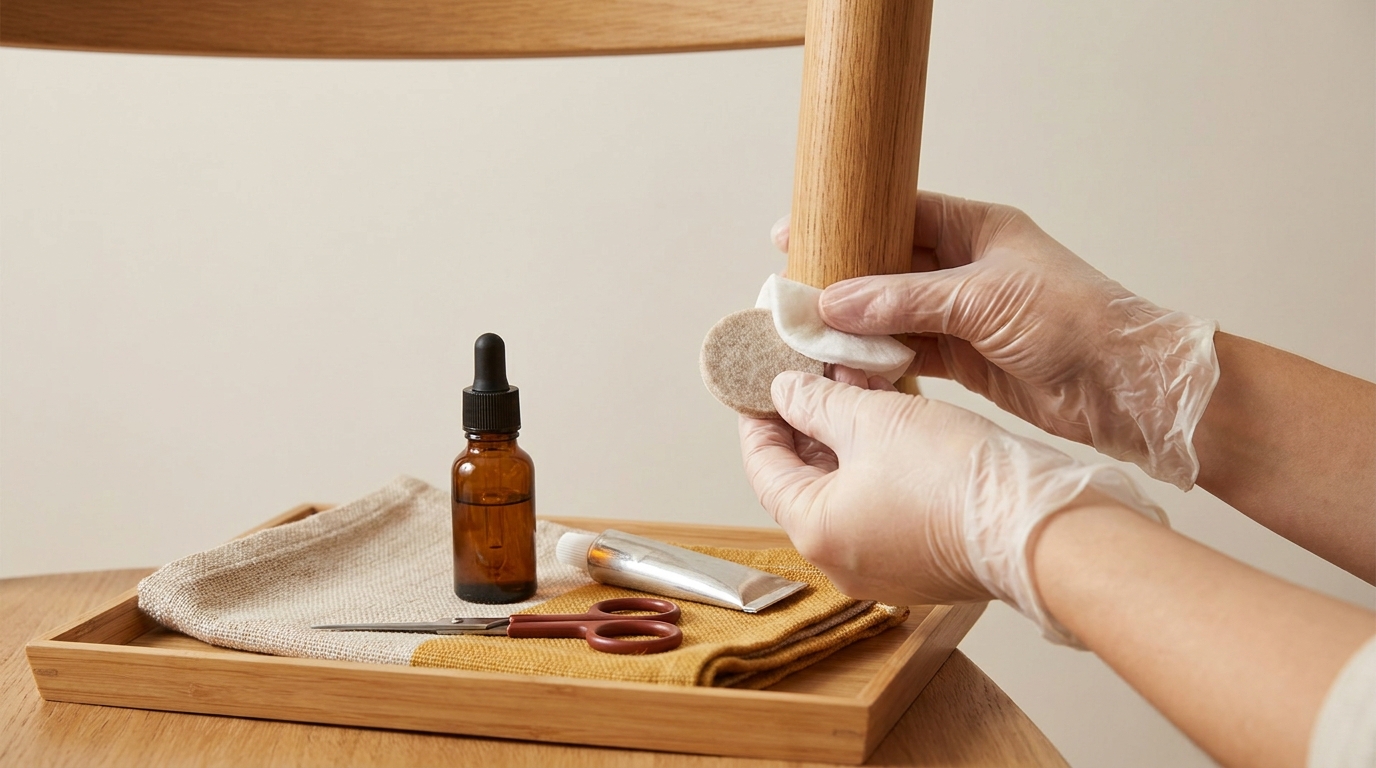
Short answer: pick the right fastening for your leg material and use, match pad size and thickness to the leg, and apply to a clean, dry surface using firm pressure and a short wait before use. Quality felt pads sized correctly and installed on a degreased leg stay on far longer; for daily-use chairs or tricky leg materials, switch to form-fitting sleeves or nail/screw-on felt glides.
Choose pads that actually stay put
Wood legs, daily use
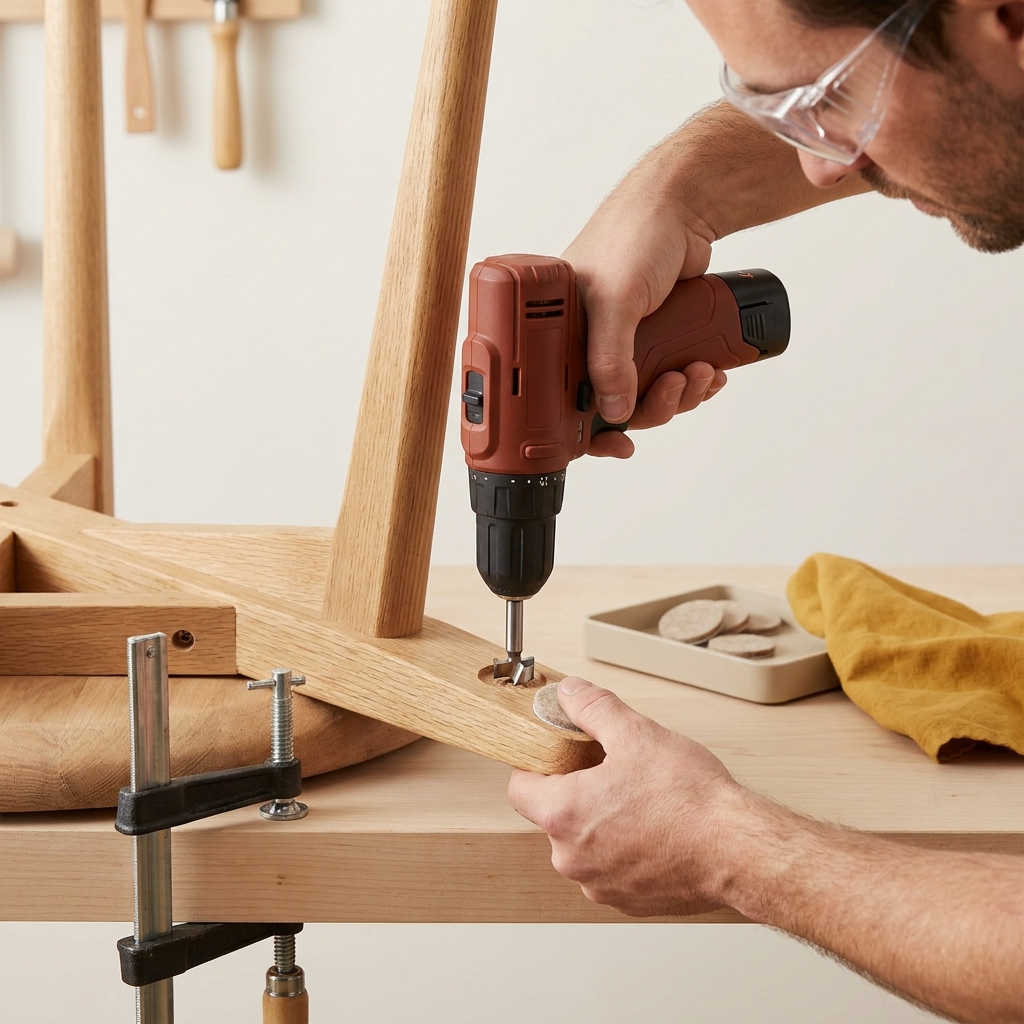
For dining chairs that move a lot, compatible mechanical options avoid relying solely on an adhesive bond. Nail-on or screw-in felt glides create a durable, non-peeling connection to wood legs, without a peel-and-stick layer taking the whole sideways load. Guidance on fastening choice notes nail-on pads are a strong pick for heavily used chairs (Joybuy felt pad guide).
Wood legs, light to moderate use
Self-adhesive felt pads work well if you choose adequate thickness and prep the surface. Flooring advice emphasizes felt as the best all-around contact surface on common hard floors, with sizing and thickness affecting longevity (Leicester Flooring on furniture pads).
Metal or plastic-footed legs
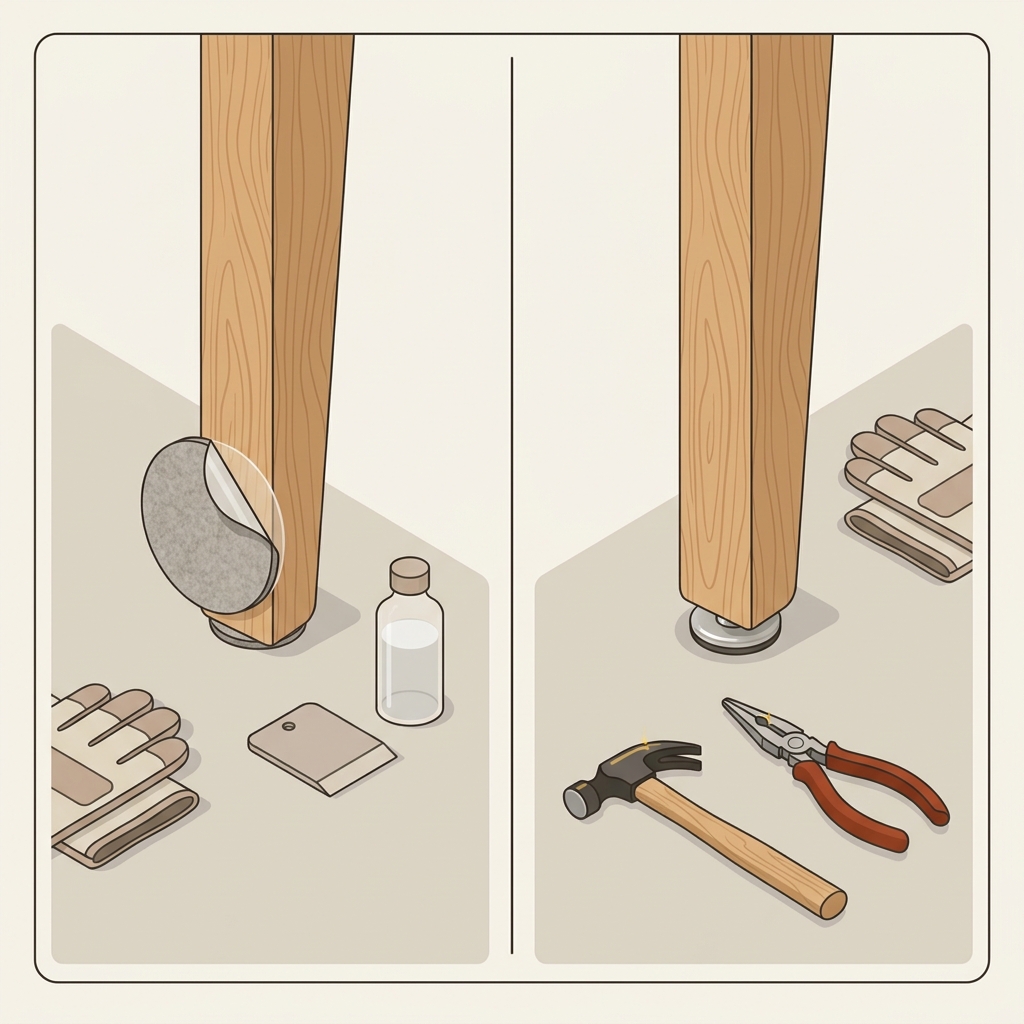
Adhesives often struggle on hard plastics like nylon or PTFE and may release quickly. Multiple user reports note poor bonding to plastic slider feet and better results after exposing wood or switching to alternative protectors (Houzz thread) (NC Woodworker experiences). For these legs, use form-fitting sleeves/caps or install screw-on glides that include felt where possible.
Size, shape and thickness matter
- Size to the footprint. Oversized pads tend to curl at the edges, collect grit and peel; undersized pads don’t protect the full contact area. Correct sizing reduces edge lift and failure (Leicester Flooring on furniture pads).
- Choose adequate thickness. Choose a pad made for the furniture, its contact angle and the flooring. Thickness alone does not establish adhesion or lifetime (Leicester Flooring on furniture pads).
- Match the shape. Use round or square pads that fully match the leg tip; for irregular legs, cut-to-fit felt sheets achieve edge-to-edge coverage (Joybuy felt pad guide).
Prep the leg so adhesive pads stay on
Adhesive sticks to clean, degreased surfaces far better than to dusty, waxed or oily wood.
- Remove old residue, then clean the leg end using a method compatible with its finish and the pad instructions, then let it dry fully; spot-test a hidden area before using alcohol. This simple step improves bond strength on self-adhesive pads (Leicester Flooring on furniture pads).
- Apply firm pressure and allow the product’s stated bonding time before moving or loading the chair (Joybuy felt pad guide).
If your chair already has hard plastic slider feet, self-adhesive felt frequently won’t bond well. Choose a compatible sleeve or replacement glide. Do not remove a factory foot unless the chair maker permits it and the replacement preserves support and height (Houzz thread) (NC Woodworker experiences).
When pads still peel: quick troubleshooting
- Edges catching or folding? Recheck size; a pad wider than the leg allows edges to lift during side loads (Leicester Flooring on furniture pads).
- Adhesive keeps failing on plastic or coated metal? Skip stick-on pads; use form-fitting caps/sleeves or mechanical felt glides (Joybuy felt pad guide) (NC Woodworker experiences).
- Switching floors? Avoid rubber furniture pads on vinyl plank; rubber can stain LVP over time. Felt is the safer choice (Leicester Flooring on furniture pads).
Maintenance that keeps pads in place
- Brush out grit and check pads periodically. Replace compressed or peeling pads; replacement timing depends on use, grit, pad condition and adhesion rather than a universal calendar interval (Leicester Flooring on furniture pads).
- After rearranging furniture, press-check each pad to confirm it is still fully adhered (Leicester Flooring on furniture pads).
For broader protection strategies beyond chairs, see our guide to stopping furniture from scratching floors. If a table also rocks or wobbles, address that separate issue so pads wear evenly: support a wobbly table.
Quick chooser and prep checklist for pads that stay put
FAQs
Are nail-on felt glides better than stick-on pads for chairs?
For chairs that move many times a day, yes. A mechanical fastener resists side loads that can peel adhesives (Joybuy felt pad guide).
Will rubber pads stain vinyl plank floors?
They can. Rubber compounds may transfer to LVP under pressure and heat; felt is the safer pad material for vinyl (Leicester Flooring on furniture pads).